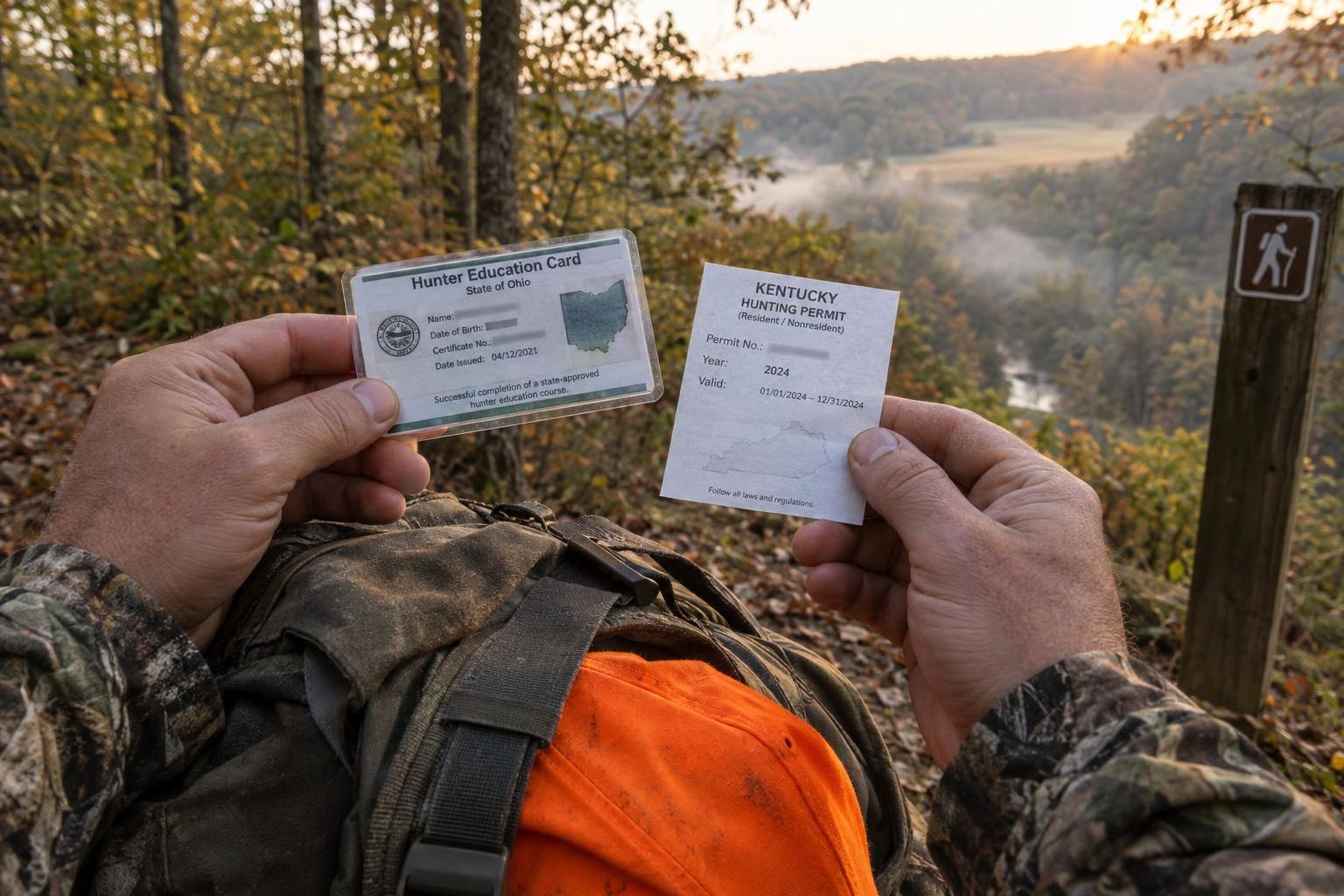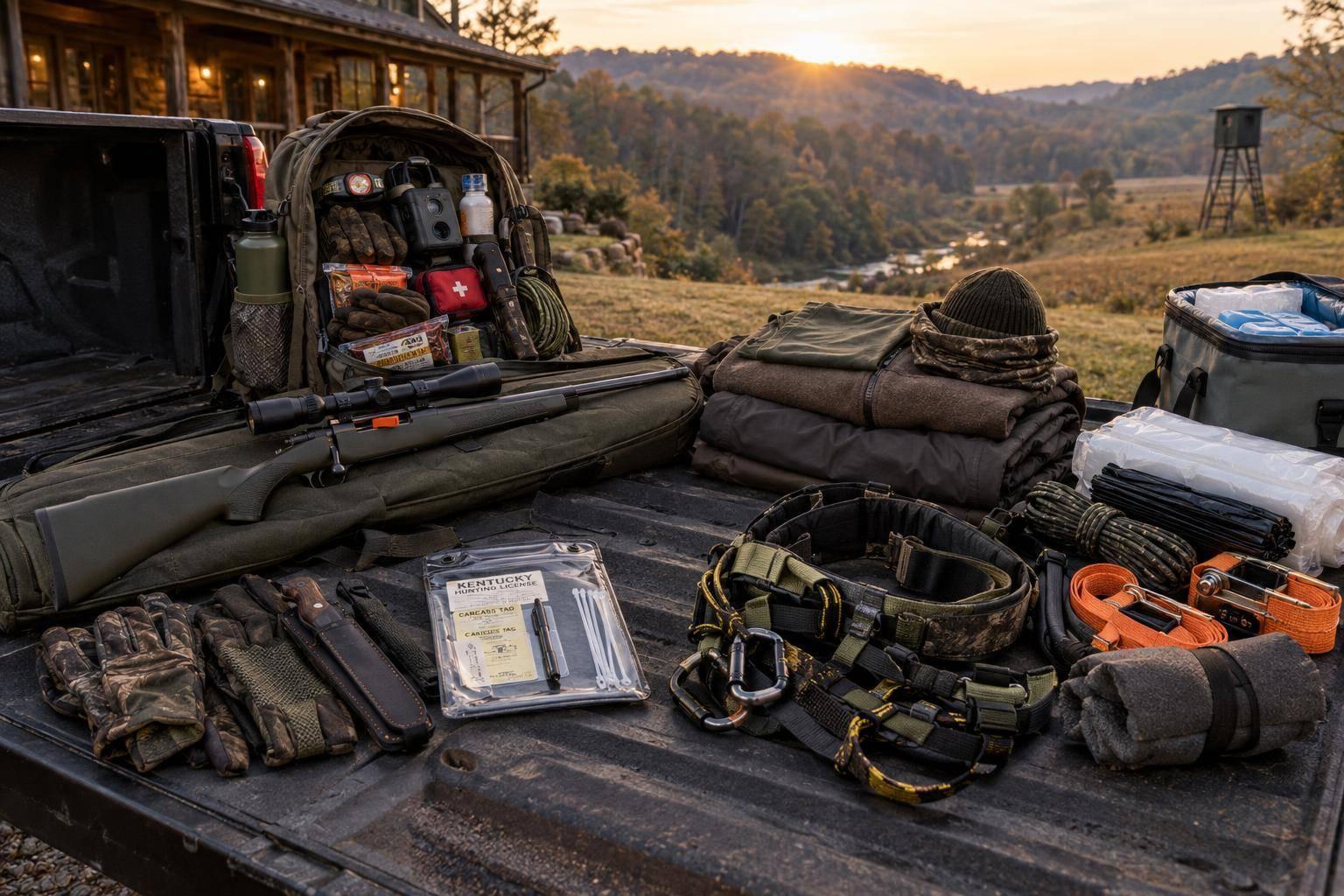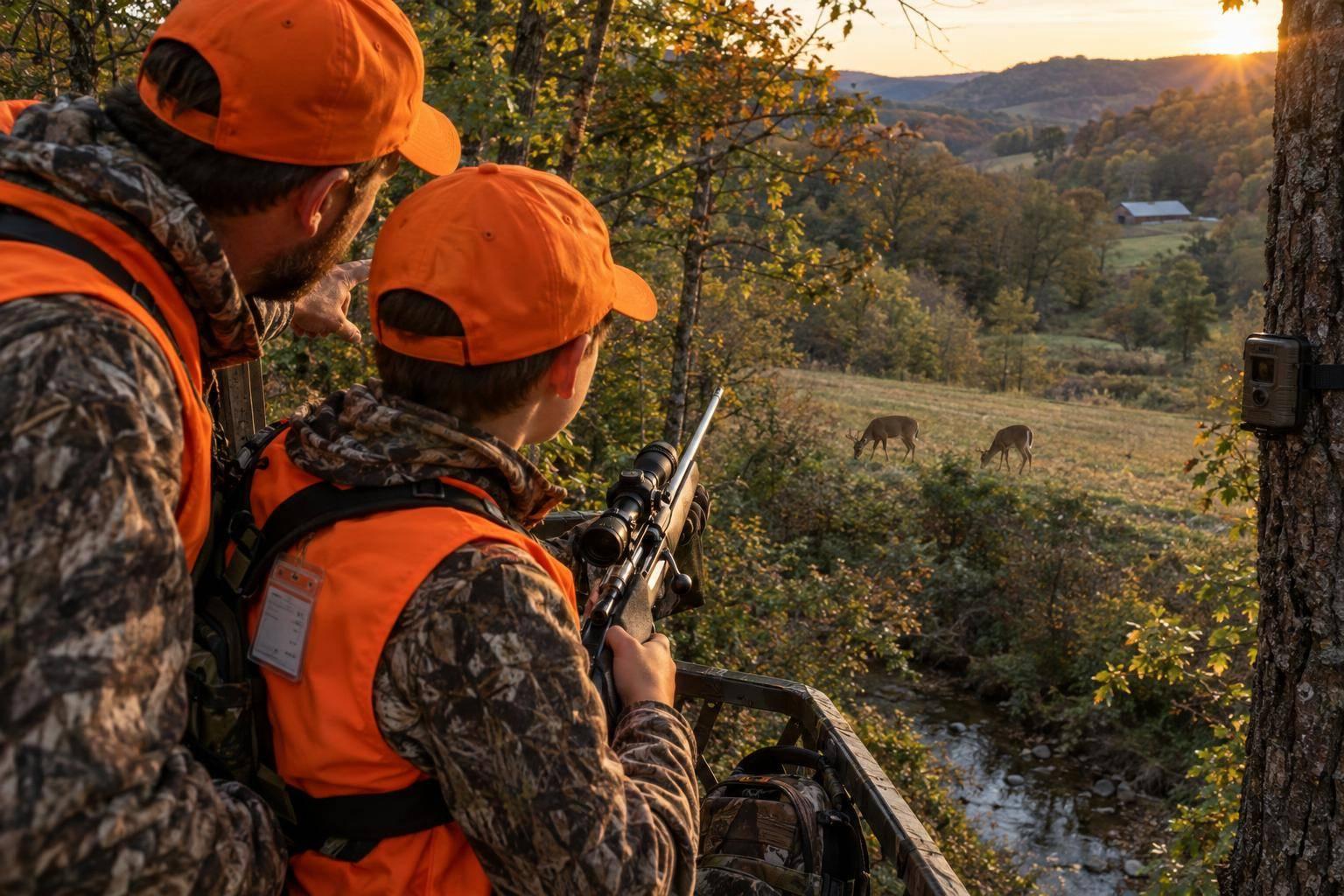
If I had to narrow Kentucky rut hunting down to three weather windows, I’d watch the first cold snap after warm weather, the first calm morning after a front, and a 3- to 5-day run of cool, steady conditions. Those are usually the times when daylight buck movement can improve, if your wind, access, pressure, and stand choice line up.
Here’s the short version:
- First cold snap: I look for a temperature drop of about 10°F or more compared to the past few days, not one magic number.
- Post-front morning: I want the rain gone, the woods settled, and a light, steady wind by daylight.
- Stable cool stretch: If cool weather holds for several days, deer movement often gets more repeatable.
- Weapon fit matters: Bow and crossbow often fit tight rut setups best. Muzzleloader can line up well around short front-driven windows. Rifle can match cool rut weather too, but pressure usually goes up.
- Wind still runs the hunt: A cold front does not fix a bad entry route or a stand with the wrong wind.
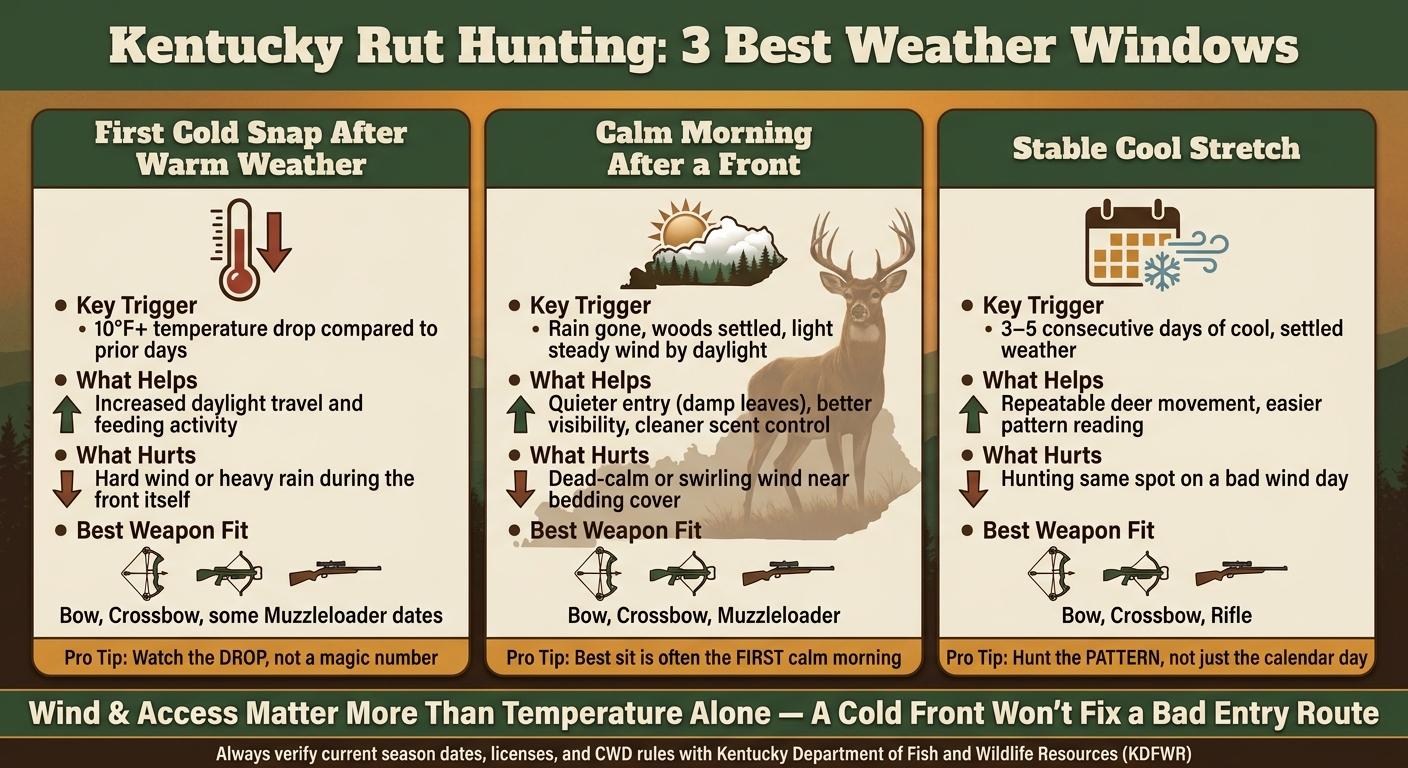
Kentucky Rut Hunting: 3 Best Weather Windows Compared
The KEY To DAYLIGHT Buck Activity in the RUT
Quick Comparison
| Weather window | What I watch for | What can help | What can hurt | Best season fit |
|---|---|---|---|---|
| First cold snap | About 10°F+ drop after warm days | Daylight travel and feeding | Hard wind or rain during the front | Archery, crossbow, some muzzleloader dates |
| Calm morning after a front | Clearing weather and a steady breeze by dawn | Quiet entry, cleaner setups, better visibility | Dead-calm or swirling wind | Bow, crossbow, muzzleloader |
| Stable cool stretch | 3-5 days of cooler, settled weather | Repeatable movement and cleaner patterning | Hunting the same spot on a bad wind | Archery, crossbow, rifle |
If you travel to hunt Kentucky, I’d plan around a weather window, not just a rut date on the calendar. And before you go, check current season dates, licenses, CWD rules, and carcass rules with the Kentucky Department of Fish and Wildlife Resources. If you book with Whitetail Hunting Kentucky, match the hunt dates to the forecast as much as your schedule allows.
1) First Cold Snap After Warm Weather
The first meaningful cold snap after a warm stretch is often one of the better rut windows for daylight movement. You’re not looking for some magic number on the thermometer. What matters is the drop compared to the past several days. After deer have been moving in warm weather, that shift can put more rut travel into shooting light.
A hard front can still slow things down while the wind and rain are moving through. That’s common. The better play is often after the front, once the wind lays down, the rain quits, and the woods settle. In plain terms, the front itself may be rough, but the calm hours behind it can hunt a lot better.
What to Watch in the Forecast
Look at the five-day forecast next to the past week. You want to see a clear temperature drop from what deer have been living in, not one set temperature. Wind direction still matters, and so does rain. If a front clears early in the week, the days right after it can set up well for hunting.
Don’t get tunnel vision on cold alone. A drop in temperature helps, but bad wind for your stand, soaked access, or rain hanging into prime time can change the whole plan.
Hunt Dates and Weapons That Fit This Window
In Kentucky, early cold snaps often match up well with archery and crossbow season. That can give you a clean shot at the first bump in daylight movement. If that same weather lands during muzzleloader season, it can be a good overlap too. And if the drop comes during modern gun season, you may get rut travel plus more feeding movement in cooler weather. The tradeoff is simple: rifle season usually brings more pressure and more noise.
| Weather Signal | Likely Hunting Advantage | Main Limitation | Best-Fit Weapon |
|---|---|---|---|
| First meaningful temperature drop after warm period | Increased daytime travel and feeding during shooting hours | Heavy rain or wind during the front may suppress movement | Bow or crossbow |
| Overnight front clearing before dawn | Strong morning movement as deer move post-storm | Front must clear early enough for conditions to settle | Muzzleloader |
| Temperature drop overlapping modern gun season | Combines rut-driven travel with cold-weather feeding movement | Higher hunter pressure and noise during rifle season | Rifle |
When a front passes cleanly, pay close attention to the first calm morning behind it. That’s often the part of the window worth sitting for.
2) Calm Mornings After a Front
After a front passes and the wind settles, the first calm morning can be one of the better daylight rut windows in Kentucky. If you're already booked around a Kentucky season date, this is the kind of morning you want to be ready for. It tends to fit hunters who can slip in quietly, hunt a steady wind, and work a close setup. Your weapon matters, because it changes how tight you can hunt and how much room the setup gives you.
"The small cool front that pushed through early in the week got the deer moving during shooting hours."
Why This Window Can Be Productive
A wet woods floor helps. Rain overnight will often soften leaves and make your walk in less noisy. Once the sky clears, you can usually see better, and deer often get back on their feet and travel in a more normal pattern.
Still, not every post-front morning is worth burning a sit on. If the wind stays jumpy or never settles into something steady, the whole setup can fall apart. The trick is not just seeing that the rain quit. You need to know whether conditions have actually leveled out.
Wind is the big one here. A light, steady breeze gives you a cleaner read on scent drift and helps keep a deer from picking you apart. What hurts you is dead-calm air, where scent can hang in one spot and then drift in odd directions, or swirling wind in tight cover. That kind of air will beat you fast, especially near bedding cover or on close travel routes.
How This Window Fits Each Weapon Type
For bow and crossbow hunters, this can line up well with rut movement. Damp ground helps on entry, and a light, steady wind gives you a better chance to manage scent at bow range. Stand choice matters. Access matters. If you can get in clean and keep the wind right, this setup can play in your favor.
Muzzleloader hunters often get a boost from the cleaner air after a front. Better light and clearer visibility help you confirm the deer and place a clean midrange shot. You still need to respect the wind, but these settled conditions often fit the slower pace that muzzleloader hunting calls for.
For rifle hunters, clearing skies and better sightlines can open up shot chances. Even then, the rules do not change. Legal shooting hours come first, a safe backstop comes first, and shot discipline comes first. A good-looking morning does not excuse a poor shot.
| Weapon Type | Post-Front Advantage | Key Condition to Watch |
|---|---|---|
| Bow/Crossbow | Quieter entry, better scent control at close range | Light, steady wind; avoid dead-calm or swirling air |
| Muzzleloader | Better visibility for clean shot placement | Make sure the wind is manageable before you commit to the stand |
| Rifle | Clear sightlines can help with ethical shot chances | Legal shooting hours and safe backstops still apply |
If that calm pattern holds for more than a day or two, the hunt usually shifts into the next kind of window: stable cool stretches.
3) Stable Cool Stretches During the Rut
When a post-front calm hangs around for several days, hunt the pattern, not just the calendar day. A stable cool stretch means a run of cool days with mostly steady wind and no hard weather change to shake things up. When that happens, deer often fall into more repeatable movement. Feeding gets more regular, travel routes show up cleaner, and you get a better read on how deer are using a spot from one sit to the next.
How to Hunt a Stretch Instead of Chasing Every Cool Day
This is where patience pays. If the wind is right for a setup, hunt it. If it is not, leave it alone. That matters more than trying to force a sit just because the air feels good.
Pressure can stack up fast, especially on a stand near a known route or food source. Burn that spot on a bad wind, and you may shift deer movement enough to hurt the next sit. Better to save your better setups for the days they fit and keep your access clean and quiet. During a stable stretch, the better plays are usually low-impact sets where you can slip in without bumping deer and hunt a route they are already using.
When This Window Best Matches Each Weapon
This kind of weather lines up well with most rut hunting, but weapon choice still matters.
Archery and crossbow hunters usually get the most out of a steady wind because close-range stand choice depends on it. If the breeze holds the same way for a few days, it is easier to trust a tight setup near cover, a food source, or a travel line.
Rifle hunters can make good use of it too. Repeatable movement gives you more than one look at a pattern, and that can help with shot discipline. Instead of rushing a low-odds chance, you can wait for the cleaner opportunity.
| Feature | Stable Cool Stretch |
|---|---|
| Predictability | High - repeatable and patterned |
| Duration | Extended, several consecutive days |
| Wind Management | Manageable - typically steady |
| Best Use by Weapon | Bow, crossbow, or rifle |
How to Match Kentucky Season Dates to the Forecast
Good planning starts with the season you can hunt, then the weather window inside that season. In Kentucky, that means you don’t just pick “rut week” and hope for the best. You line up the legal season with the kind of conditions that usually get deer on their feet in daylight.
Use this table to narrow the season first, then watch the forecast and pick the exact days.
| Season | Dates | Best Weather Window to Target |
|---|---|---|
| Archery / Crossbow | Sep 5, 2026 / Sep 19, 2026 – Jan 18, 2027 | First cold snap; stable cool stretches |
| Early Muzzleloader | Oct 17–18, 2026 | Cold-front-driven pre-rut movement |
| Modern Gun | Nov 14–29, 2026 | Peak rut; consistent cool stretches |
| Late Muzzleloader | Dec 12–20, 2026 | Post-rut food movement during late fronts |
Before you lock anything in, check the current rules with the Kentucky Department of Fish and Wildlife Resources (KDFWR). That means county-specific rules, license needs, weapon limits, and carcass-transport and CWD rules. Those details can change, and some counties differ from the statewide season dates.
A Simple Way to Rank Possible Hunt Dates
Once you’ve picked the season, sort the hunt dates by forecast quality. Start with wind. If the wind is wrong for safe access or for the stand you need to hunt, the rest of the forecast doesn’t matter much.
After that, look for a front that brings about a 10°F drop and rising barometric pressure. That kind of shift often helps movement, especially when it lands in a good feeding or rut phase. Pass on heavy rain and long stretches of hard wind when you can. Deer still move, but stand choice, shot chances, and clean access usually get tougher. Legal access still comes first.
Using Guided Hunt Planning to Narrow the Best Window
Whitetail Hunting Kentucky plans guided, fair-chase hunts around deer movement, wind, pressure, and access, helping hunters match a weather window to the right weapon season.
Key Takeaways for Choosing Rut Hunt Dates in Kentucky
Once you’ve narrowed down the rut timing, the last step is picking the right dates. In Kentucky, three windows usually matter most: the first cold snap, calm mornings after a front, and stretches of steady cool weather. Match your hunt dates to the season you’re hunting and the weapon you’ll carry. Don’t force the hunt to fit the calendar if the conditions say otherwise.
The plain truth is this: weather helps most when wind, access, and season all line up.
Wind and access matter more than temperature by itself. A cold front can get deer on their feet, but it won’t do you much good if your entry blows deer out or your stand choice doesn’t fit the wind. Good rut hunting in Kentucky still comes down to getting in clean, hunting the right setup, and not burning a spot just because the forecast looks good.
Before you lock anything in, check current season dates, license rules, and any CWD requirements with the Kentucky Department of Fish and Wildlife Resources.
Whitetail Hunting Kentucky offers guided rut hunts on managed ground in Northeastern Kentucky, with plans built around deer movement, wind, pressure, and access.
FAQs
How much of a temperature drop counts as a real cold snap?
There isn’t a set temperature drop you can point to and call a “real cold snap” for Kentucky rut hunting based on the information given.
What the source says is simpler than that: a small cool front moved through, and deer were on their feet during shooting hours. It does not say how many degrees the temperature fell.
That matters, because hunters often want a hard number. In practice, deer movement usually ties back to the full weather shift, not just one temperature reading. Wind, barometric pressure, cloud cover, and the timing of the front can all change what you see from the stand.
Is the day after a front usually better than the front itself?
Often, yes. A front can get deer on their feet during legal shooting hours. Just don’t make the mistake of thinking the front itself is the only time to hunt. The day after is often good too, when cooler air and steadier conditions let deer get back to normal feeding and travel.
That matters when you’re picking dates for archery, crossbow, muzzleloader, or rifle around the rut. Good whitetail hunting in Kentucky usually comes back to timing, pressure, wind, and staying in the right stand when conditions line up.
Which weapon fits each rut weather window best?
In Kentucky, archery and crossbow hunts fit the earlier, quieter part of the rut well. That’s when you can often do your best work by slipping into the right stand with a good wind, light pressure, and clean access. Deer movement can be steady then, but it’s often more controlled and close-range.
When colder weather settles in and the rut gets stronger, muzzleloader and rifle hunts tend to make more sense. Cold snaps and stable cool stretches can put more deer on their feet, and that can open up more daylight movement across fields, funnels, and travel routes.
Whitetail Hunting Kentucky offers hunt packages for archery, crossbow, muzzleloader, and rifle.