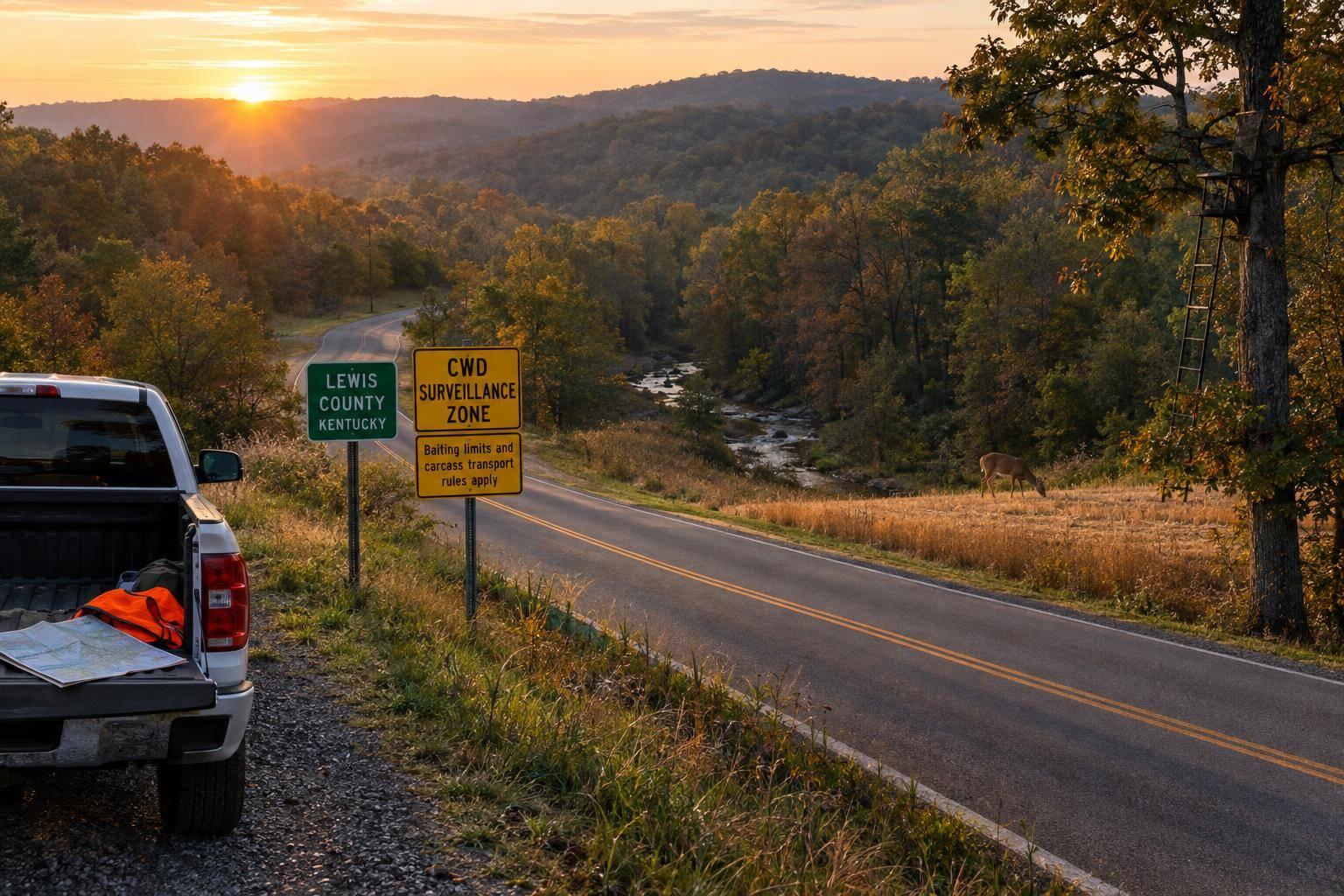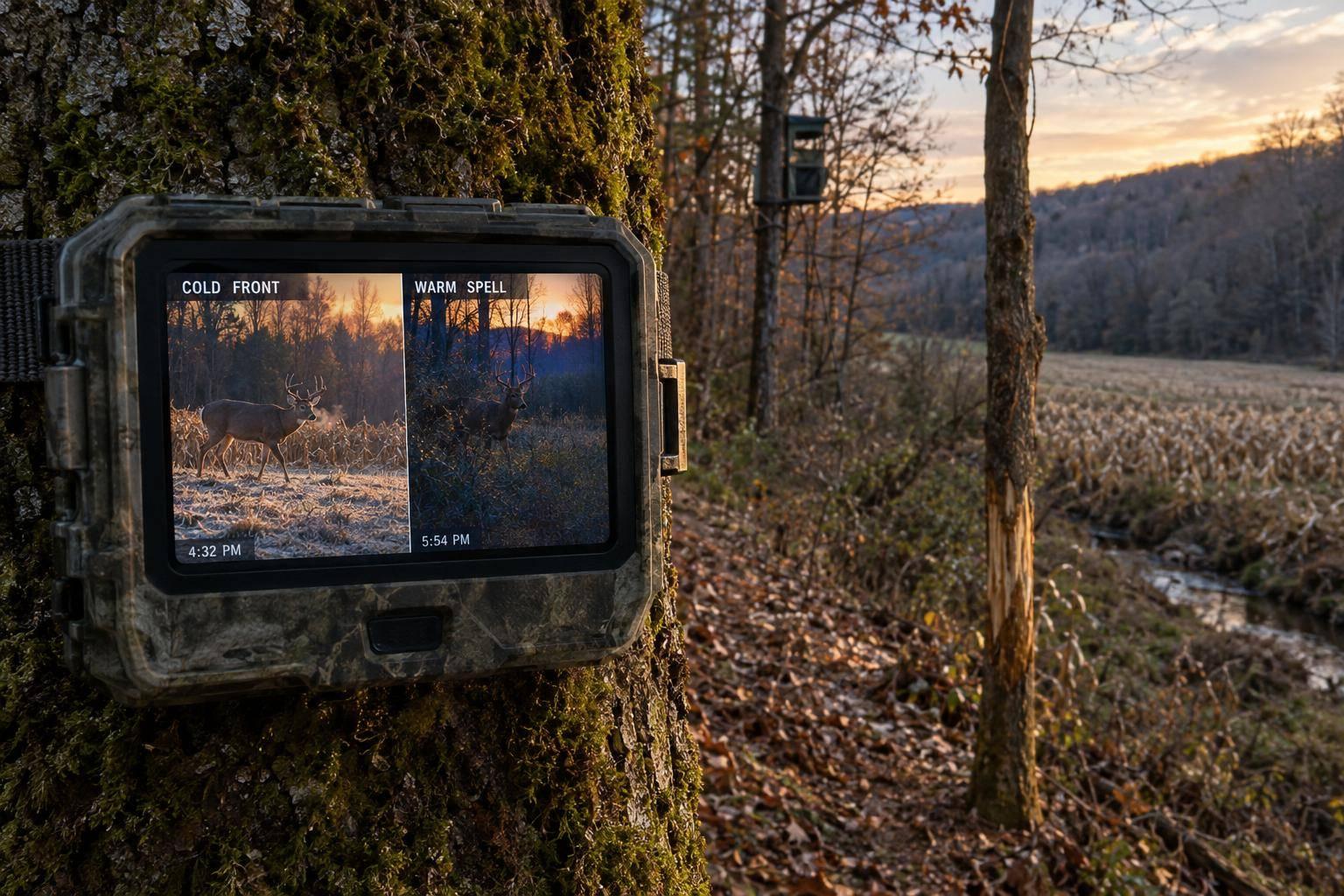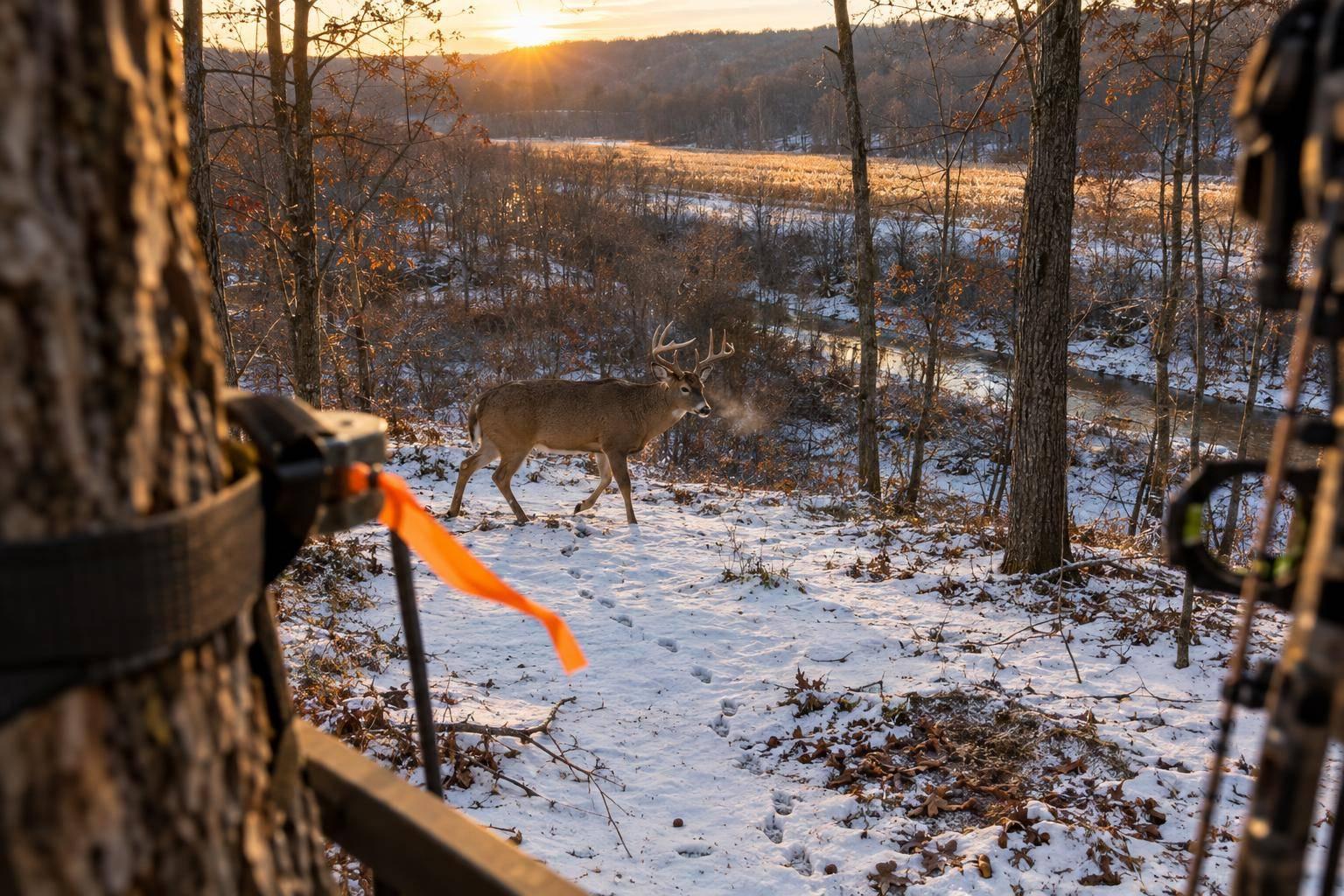
The rut, or deer breeding season, is a prime time for hunters due to heightened deer activity. In Kentucky, the peak rut typically occurs between November 8–15, with November 13 often noted as the median breeding day. Bucks, driven by increased testosterone, become more active during daylight, making them easier to spot. The rut has three main phases:
- Pre-Rut (Late October–Early November): Bucks establish dominance with scrapes and rubs, and activity gradually increases.
- Peak Rut (Early–Mid-November): Bucks actively seek and chase does, often moving during the day.
- Post-Rut (Late November): Bucks recover and focus on feeding, while a secondary rut may occur with late-cycling does.
The rut is primarily triggered by shorter daylight hours, which influence deer hormones. Hunters can maximize success by focusing on scrapes, doe bedding areas, and food sources depending on the rut phase.
How To Hunt All Phases Of The Rut
Rut Phases and Timing in Kentucky
Kentucky’s whitetail rut unfolds in three distinct phases, each bringing its own set of hunting opportunities and challenges. Knowing the timing of these phases can help hunters adapt their strategies and make the most of the breeding season. Each phase builds on the last, with noticeable shifts in deer behavior and activity patterns.
Pre-Rut: Late October
The pre-rut phase kicks off in late October, peaking between October 28 and November 9. During this time, bucks focus on establishing dominance. They create scrapes and rubs on trees, not only to strengthen their neck muscles but also to leave behind scent markers that signal their presence to does and rival bucks. Most of this activity happens at night, as bucks remain cautious during daylight hours. You might also see bucks sparring to test their strength and establish a hierarchy.
Feeding is still a priority during this phase, with bucks slightly expanding their daylight range to build up energy reserves for the intense weeks ahead. As this preliminary activity ramps up, it sets the stage for the explosive action of the peak rut.
Peak Rut: Early to Mid-November
The peak rut in Kentucky typically occurs between November 8 and November 15, with the "breeding window" stretching from November 7 to November 21. This is when deer activity reaches its highest intensity.
Bucks throw caution to the wind during peak rut, traveling long distances in daylight to find does. Their testosterone levels are at their peak, driving them to check scrapes, follow scent trails, and cover large areas in search of receptive does. This phase is characterized by three main behaviors: seeking, chasing, and tending. Bucks actively seek out does, chase them when they find them, and then enter the "lockdown" phase, where they bed down and feed alongside a receptive doe for 24 to 48 hours. This lockdown period can sometimes create a noticeable lull in overall deer movement.
Post-Rut: Late November and Secondary Rut
As November winds down and the post-rut phase begins, the dynamic shifts. Bucks, now worn out from the peak rut, return to feeding areas to replenish their fat reserves. Does reunite with their fawns, and older bucks may begin to group together again as the intense competition for breeding subsides.
However, hunters shouldn’t overlook the secondary rut during this phase. Some does that weren’t bred during the peak rut, along with doe fawns maturing for the first time, come into estrus. This creates a smaller, less frenzied wave of breeding activity. While overall deer movement is more subdued compared to the peak rut, mature bucks may still move during daylight if they detect a doe in estrus. For patient hunters, this phase offers valuable opportunities to catch a buck letting its guard down.
What Triggers the Rut? Science and Environmental Factors
If you want to predict when deer behavior will change during the rut, it all starts with understanding what sets it in motion. Research points to the photoperiod - the natural shift in the balance of daylight and darkness - as the main biological cue for the rut in whitetail deer. Let’s break down how this works.
Primary Trigger: Photoperiod
As the days grow shorter and nights stretch longer, a chain reaction begins in deer biology. The extended darkness signals the pineal gland to ramp up melatonin production [9-14]. This increase in melatonin sets off a testosterone surge in bucks and kicks off estrous cycles in does, marking the start of the rut. It’s nature’s way of syncing everything perfectly for breeding season.
How to Spot Rutting Activity
Understanding the timing of each rut phase is key for hunters, but recognizing the signs in the field is just as important. Each phase of the rut brings unique behavioral changes in deer, and these shifts can provide valuable clues about where and when to position yourself for the best chances of success.
Pre-Rut Signs: Scraping and Rubbing
In late October, bucks begin marking their territory by creating scrapes and rubs. These are clear signs of activity, as bucks use their antlers to scrape against trees, leaving scent and asserting dominance. Fresh scrapes are often found along ridges or travel corridors, while clusters of rubs in thicker cover may point to a buck’s bedding area. Early morning hunts around these areas can be productive - just take care not to disturb the deer.
Scrapes are easy to spot: look for disturbed soil, broken branches, and fresh tracks. As Certified Wildlife Biologist Bob Humphrey explains:
"In the whitetail world, scrapes serve as a sort of dating service, where bucks announce they are ready, willing and able to breed."
Trail cameras placed near active scrapes can help you monitor movement and activity. You might also notice bucks sparring more frequently during this phase as they establish dominance. These behaviors are the prelude to the intense activity of the peak rut.
Peak Rut Signs: Chasing and Tending
Early to mid-November marks the peak rut, when bucks become laser-focused on does. During this phase, you’ll see bucks chasing does with determination, their movements accompanied by grunts and other vocalizations. Once a buck finds a receptive doe, he’ll exhibit tending behavior, staying close - often within 10 to 20 yards - to guard her from rivals. Keep in mind, a doe is only in estrus for about 24 hours.
Another telltale sign of this phase is the Flehmen response, where bucks curl their upper lips after inspecting doe urine to gauge her reproductive readiness. Hunting guide Matt Buckingham sums it up well:
"Getting inside the mind of a rutting buck is pretty simple - it's on a single track and everything else - eating, sleeping, everything - is pushed aside."
Post-Rut Signs: Secondary Rut and Feeding Behavior
By late November, the intensity of the peak rut winds down. Bucks and does, exhausted from the breeding frenzy, begin focusing on feeding to regain their strength. These feeding patterns, especially around dawn and dusk, create excellent hunting opportunities .
However, all isn’t entirely quiet - secondary rut activity can occur if late-cycling does come into estrus, leading to a smaller but noticeable uptick in chasing and tending behaviors. During this time, fresh scrape activity may also pick up as bucks search for any remaining receptive does. Using mock scrapes with doe-in-estrus scents near active scrape sites can be an effective strategy for late-season hunts.
Hunting Strategies for Each Rut Phase in Kentucky
Adjusting your hunting approach to match deer behavior is key to a successful season. Kentucky’s varied terrain and abundant hunting opportunities make it crucial to tailor your tactics as the rut evolves through its distinct phases.
Pre-Rut Tactics: Scrapes and Rub Lines Are Key
Late October signals the pre-rut phase, and this is the time to focus on scrapes and rub lines. Bucks are busy marking their territory, and you can use this to your advantage. Position your stand 15–20 yards downwind of active scrapes found along ridges and travel routes. This setup gives you a good chance to catch bucks moving early in the morning.
Rub lines are another hotspot. When you find a cluster of rubs leading toward bedding areas, you’ve likely discovered a buck’s preferred path. Set up 100–150 yards from these bedding areas to intercept deer without alarming them.
Subtle calling works best during this phase. Use soft grunt calls and light rattling for 15–20 minutes, followed by long periods of silence. As the rut heats up, your focus should shift away from scrape lines and toward doe bedding areas.
Peak Rut Tactics: Focus on Doe Bedding Areas
By early to mid-November, the rut reaches its peak, and bucks are laser-focused on finding does. During this phase, forget about food plots and travel corridors - it’s all about the does. Bucks will roam wherever the does are, often throwing caution aside.
This is the perfect time for all-day hunts. Buck activity can spike at any hour, especially midday when many hunters have left the woods. Pack water, snacks, and layers to stay comfortable for extended sits.
Doe bedding areas become prime hunting spots. Look for dense cover near water, such as cedar thickets or south-facing slopes with heavy brush. These areas offer does a sense of security, making them ideal locations for bucks on the search. Set up on the downwind side to avoid detection.
Calling strategies also shift during peak rut. Doe bleats and estrus calls can attract bucks from far off. Use these calls sparingly but confidently, as a well-timed call mimicking a receptive doe can override a buck’s usual caution. Combine doe calls with soft grunts to simulate a buck tending a doe, which can trigger a territorial response.
As the rut winds down, bucks and does will refocus on feeding, requiring another adjustment in your approach.
Post-Rut Tactics: Return to Food Sources
By late November, the chaos of the rut gives way to recovery mode. Bucks and does, now worn out, turn their attention back to food. This phase calls for food-focused hunting strategies. Agricultural fields, oak ridges with fresh acorns, and late-season food plots become prime locations.
Morning and evening hunts are your best bet during this time, as deer settle into more predictable feeding routines. Position yourself 50–75 yards from well-used food trails to intercept deer as they move to and from feeding areas.
Keep an eye out for signs of a secondary rut. If you notice chase behavior, be ready to pivot your strategy. Mock scrapes can also be effective during this period. Create fresh scrapes near feeding areas and refresh them with doe-in-estrus scent every few days. Bucks still searching for late-receptive does will often investigate these scrapes during daylight hours.
Weather plays a big role in this phase. Cold fronts can trigger significant deer movement as they feed heavily to prepare for winter. Plan your hunts around these weather shifts, especially the day before and the day of a front’s arrival.
Success during the post-rut requires patience and precision. While the frantic activity of the peak rut has passed, mature bucks still need to eat and recover. Focus on high-quality food sources, hunt during peak feeding times, and stay alert for any signs of secondary rut activity that might give you one last shot at a trophy buck.
Making the Most of Rut Season
Now that we've covered the timing and behaviors of the rut, let’s talk about how to make the most of it. Recognizing the signs of the rut can help you fine-tune your hunting strategy as events unfold.
In Kentucky, the rut typically peaks between November 8–15, driven by the photoperiod, or the amount of daylight. While factors like weather and moon phases might impact daily deer activity, they don’t change the overall timing of the rut.
Pay attention to field signs - they’re your best real-time guide. For example, fresh scrapes and rubs appearing in late October suggest bucks are marking territory, signaling the need to scout those areas. By early November, chasing behavior ramps up, making doe bedding zones prime locations to focus your efforts.
During the rut, bucks tend to let their guard down as they burn through energy, which also influences their feeding habits after the rut. Once the rut winds down, these depleted bucks will gravitate toward dependable food sources, giving you a chance to adjust your strategy for the post-rut period.
FAQs
How can hunters use knowledge of the rut phases to improve their chances of success?
Understanding the stages of the deer rut - pre-rut, peak rut, and post-rut - can make all the difference when planning your hunt. Each phase has its own patterns and behaviors, and tailoring your approach to match can lead to better results.
During the pre-rut, bucks are busy marking their territory by creating rubs and scrapes. These spots often pop up near food sources, making them prime areas to scout, especially in the evenings when deer are more active.
The peak rut is when bucks are on the move, actively seeking out does. This is a great time to set up near doe bedding areas. Using tactics like calls or rattling can attract mature bucks that are on the lookout for a mate.
In the post-rut, bucks shift their focus to regaining energy. Early mornings and late afternoons near food sources are ideal for spotting them. Another effective method is slowly walking through wooded areas, which can gently nudge deer from their bedding spots without spooking them too much.
By adjusting your hunting strategy to fit each stage of the rut, you’ll improve your odds of a successful hunt.
What environmental factors, besides daylight changes, affect the timing and intensity of the deer rut?
While the length of daylight, or photoperiod, is the main driver of the rut, several other factors can influence its timing and intensity. Things like the health and age of does, herd dynamics such as population density, buck age structure, and the ratio of adult bucks to does all play a part. Local conditions also matter - rainfall, for instance, affects food availability and nutrition, while stressors like parasites or flooding can have an impact as well. By considering these variables, hunters can better predict when peak rut activity will occur.
What are some effective strategies for hunting during the secondary rut in late November?
The secondary rut, usually happening in late November, is a prime time for hunters to take advantage of renewed deer activity. This phase occurs when some does that weren’t bred during the primary rut come back into estrus, drawing the attention of bucks once more. To increase your chances, concentrate on spots where does tend to gather, like food plots or bedding areas.
Keep an eye out for fresh deer signs, such as scrapes and rubs, as bucks often revisit these during the secondary rut. Using calls like grunts or estrus bleats can also be effective in luring in curious bucks. While the action might not be as intense as during the primary rut, staying patient and persistent can make all the difference in this phase of the hunting season.