Yes - but not as a whole deer in many cases. If you hunt Kentucky and plan to drive home, the two things that matter are where the deer was killed and which parts you are hauling.
I’d keep it simple:
- Low-risk parts like deboned meat, antlers, hides, cleaned skull caps, capes cleaned for travel, and finished mounts are often the parts you can move.
- High-risk parts like a whole carcass, whole head, spine, spinal cord, and raw tissue are the parts that cause trouble.
- If the deer came from Kentucky’s CWD Surveillance Zone, movement rules get tighter.
- Even if Kentucky allows a part to leave, your home state may still block it at the border.
- Before you travel, check Kentucky Fish and Wildlife and your own state wildlife agency for current rules.
Good deer hunting comes down to details, and transport is no different. A buck can be tagged clean, handled right, and still turn into a bad trip home if you ignore carcass rules. If you want the safe route, process the deer before you leave Kentucky and carry only the parts your state clearly allows.
Here’s the quick read:
| What matters | What you need to know |
|---|---|
| Harvest location | CWD zone deer face tighter movement limits |
| Parts in your truck | Deboned meat and cleaned parts are often allowed |
| Whole deer transport | Often restricted, especially from CWD areas |
| State line crossing | Your home-state import rule controls what comes in |
| Safe default | Bone it out, clean it up, and leave risky tissue behind |
If you’re staying with Whitetail Hunting Kentucky, I’d check the current zone map and transport rules before the hunt, same as I’d check wind, access, and stand choice before climbing in.
Special Regulations in CWD Surveillance Zones
Which Parts of a Kentucky Deer You Can Take Across State Lines
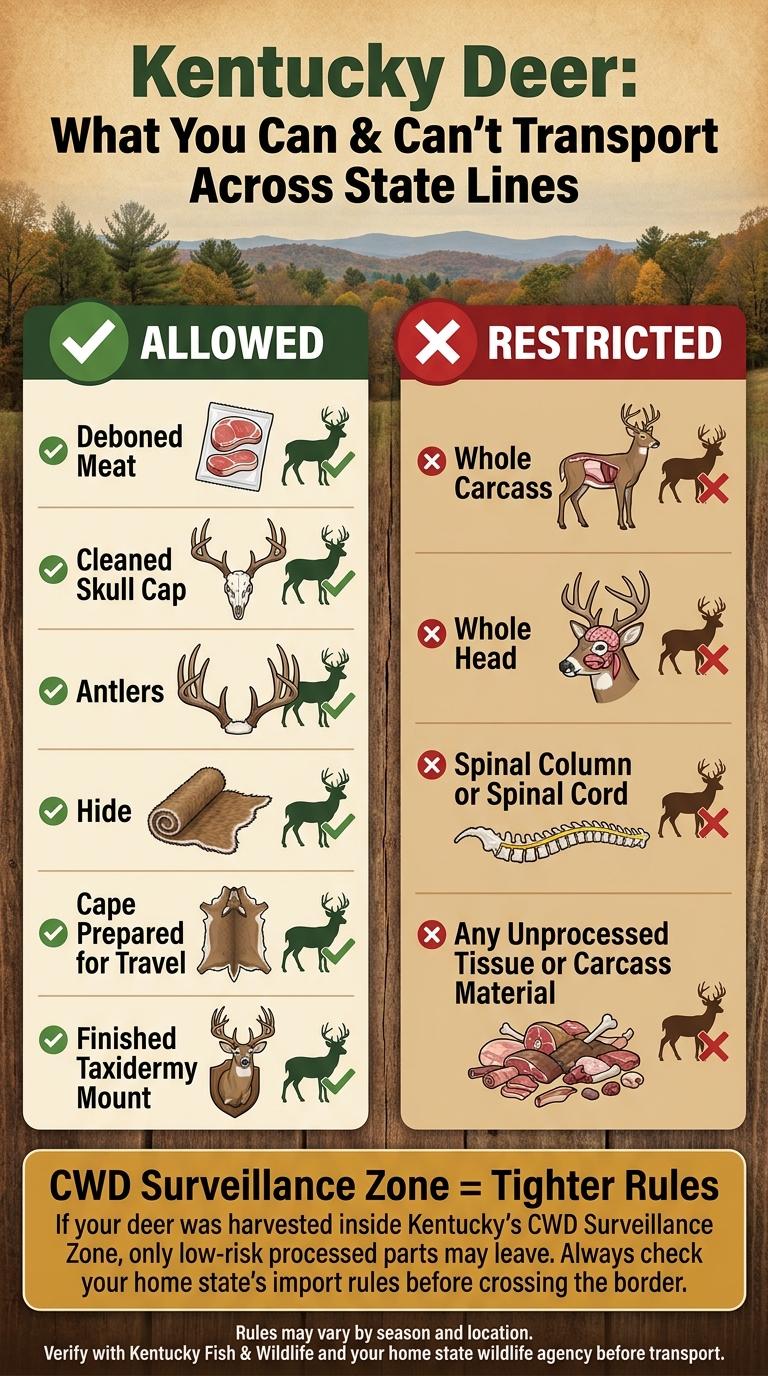
Kentucky Deer Transport Rules: Allowed vs. Restricted Parts for Out-of-State Hunters
After you sort out Kentucky's CWD zone and carcass rules, the next job is simple: know what you can haul home and what needs to stay put. In most cases, processed, low-risk parts are what can cross state lines. Tissue that still includes brain or spinal material is where hunters get in trouble.
Low-Risk Parts That Are Commonly Allowed
The parts most hunters can travel with are deboned meat, cleaned skull caps, antlers, hides, capes prepared for travel, and finished taxidermy mounts.
That makes practical sense. Those items are already cleaned up or processed, so they carry less risk than a whole head or an untouched carcass.
High-Risk Parts That Are Commonly Restricted
The parts that are commonly restricted are whole carcasses, whole heads, spinal columns, spinal cord, and any unprocessed tissue or carcass material. Those are the pieces most likely to fall under transport limits.
If you're driving home after the hunt, this is the part to pay attention to. A deer thrown in the truck whole may be a problem. Meat that is boned out and packed clean usually is not.
Allowed vs. Restricted Parts at a Glance
| Deer Part | Interstate Travel Status |
|---|---|
| Deboned meat | Commonly allowed |
| Cleaned skull cap | Commonly allowed |
| Antlers | Commonly allowed |
| Hide | Commonly allowed |
| Cape prepared for travel | Commonly allowed |
| Finished taxidermy mount | Commonly allowed |
| Whole carcass | Commonly restricted |
| Whole head | Commonly restricted |
| Spinal column or spinal cord | Commonly restricted |
| Any unprocessed tissue or carcass material | Commonly restricted |
If a part is not clearly legal to transport, process the deer before you leave Kentucky. That is the safe play. If the deer came from a surveillance zone, those transport limits get tighter, so check the rule before you hit the road.
How Kentucky's CWD Surveillance Zone Affects Carcass Movement
If your deer comes from Kentucky's CWD Surveillance Zone, carcass movement gets tighter right away. If it comes from outside that zone, the rules are not as tight inside Kentucky, but your home state's import rules still matter the second you cross the line.
If Your Deer Was Harvested Inside the Surveillance Zone
If you kill a deer inside the zone, only the low-risk parts listed above can leave. Whole carcasses cannot leave, and neither can parts that hold brain or spinal tissue. That matters in a hurry if you're headed home the same day. If the deer is not broken down into a legal form before you leave the zone, you can end up on the wrong side of the rule. Best move is simple: process first, then travel.
Outside the zone, Kentucky eases up some, but that does not mean you can ignore border rules. Once you leave Kentucky, the state you're entering may have its own limits on what parts can come in.
If Your Deer Was Harvested Outside the Surveillance Zone
If your deer was taken outside the Surveillance Zone, Kentucky's statewide carcass rules still apply. That said, your trip home is still shaped by the state line. The moment you cross it, your home state's import rules take over.
A Note for Hunters Staying With Whitetail Hunting Kentucky
If you're staying in Lewis County with Whitetail Hunting Kentucky, check the current CWD Surveillance Zone map before you travel. Zone lines can shift from season to season.
Before you throw a deer in the truck, make sure it has been processed into legal transportable parts.
What to Do Before You Leave Kentucky With Your Deer
Getting a deer home from Kentucky the right way usually comes down to three things: know the rules, break the deer down into legal parts, and use a processor or taxidermist if you need help. That keeps you out of trouble at the state line and saves a mess later.
Review the Rules Before You Arrive
Before your hunt, check Kentucky’s current deer rules and the CWD Surveillance Zone map for the area you’ll be hunting. Also check whether your deer must be sampled for CWD before transport. After that, look at your home state’s carcass import rules. This matters because Kentucky rules and your home-state rules are not always the same.
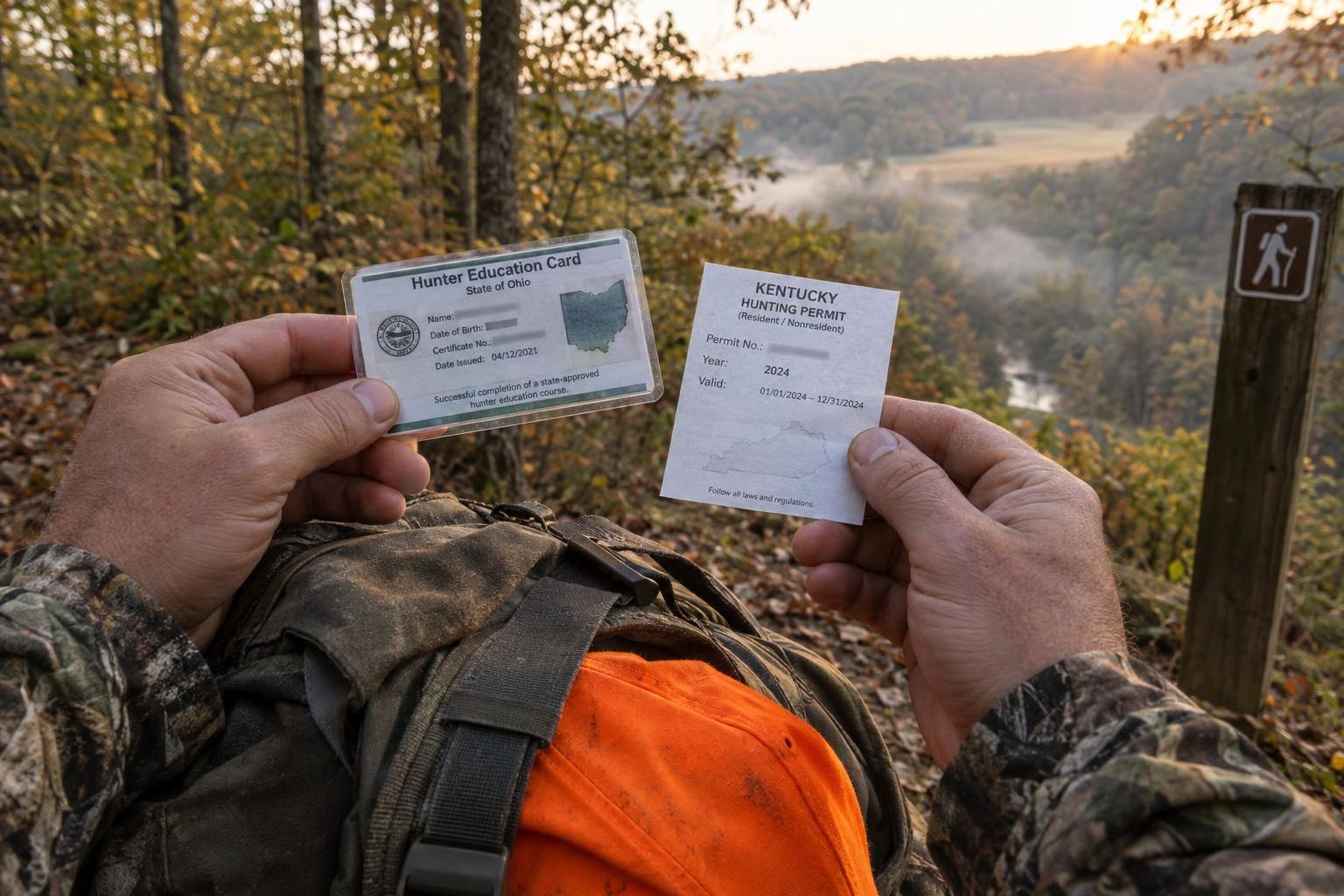
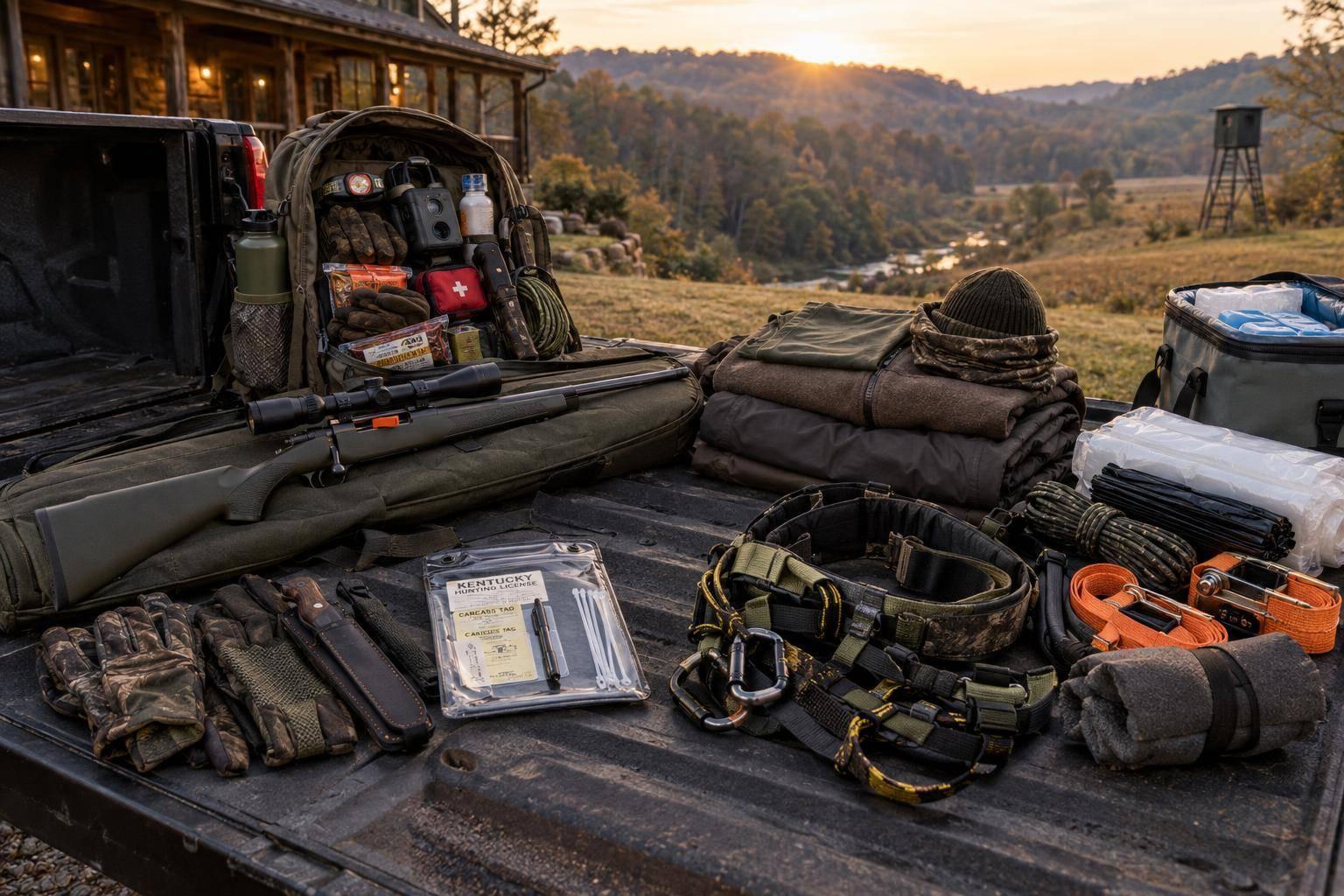
Keep your hunting license, tags, and any needed permits with you during transport. Once you know what’s allowed, pack only the parts that can legally cross the border.
Process the Deer Into Legal, Low-Risk Parts
At that point, the job is pretty plain: bone out the meat and leave the high-risk tissue behind. In practice, that means boning out the meat fully, separating antlers or skull caps from any brain tissue, and staying away from transporting the spinal column.
Bone-out meat is usually the safest route if you want to meet another state’s import rules. If you plan to keep a cape, make sure all brain and spinal tissue has been cleaned off before it leaves Kentucky. If you can’t do that work yourself, don’t guess at it. Hand it off before transport.
Use a Kentucky Processor or Taxidermist When Needed
A local Kentucky processor can bone out your deer for travel. A Kentucky taxidermist can prep a cape for the trip home or finish a shoulder mount so you are not hauling raw tissue. Before you load up, confirm the processing or taxidermy work leaves you with only legal transport parts.
Check Your Home-State Import Rules Before You Cross the Border
A deer can be legal to leave Kentucky and still get you in trouble when you cross into your home state. Kentucky controls what can leave Kentucky. Your state controls what can come back in. That home-state check is the last step before you load up and head out.
What Your Home State May Restrict
Some states do not allow whole deer heads, spinal columns, or brain tissue from any out-of-state deer, no matter where it was killed. Others may require CWD testing before import, tell you how carcass parts must be thrown away once you're back home, or require you to report the deer to your state wildlife agency after import.
This is where traveling hunters get crossed up. They follow Kentucky rules, then find out their home state has a tighter rule on heads, bones, or nervous-system tissue. Check your own state's official wildlife agency before you travel, not after the hunt.
A Safe Default for Out-of-State Hunters
If you want the cleanest legal route home, carry only the parts your home state clearly says are allowed. In many states, that usually means:
- deboned meat
- cleaned skull plates
- antlers
- hides
- finished taxidermy mounts
Those items are often allowed, but often doesn't mean always. Your state may still bar some processed parts. Whole carcasses, heads, and spine tissue are usually the highest-risk items. If there's any doubt about one part of the deer, get the answer from your state wildlife agency before the trip.
Your Next Step Before Booking or Traveling
Before you lock in travel plans, check current carcass-movement rules with Kentucky Fish and Wildlife. Then call or review your home state's wildlife agency rules so you know exactly what you can bring back.
FAQs
Do I need CWD testing before taking my deer home?
The sampling requirements depend on where and when you harvest. Kentucky requires CWD samples during designated hunts in parts of the CWD Surveillance Zone. Check the current county and date requirements before your hunt; sampling and carcass-part transport rules are separate requirements.
What matters most is your home state's import rule. That rule decides which deer parts you can legally bring back across state lines. Some states allow deboned meat, cleaned skull caps, finished taxidermy work, and clean antlers. Others set tighter limits.
Before you travel, check two things:
- Your home state's official wildlife agency rules on deer import and CWD
- Kentucky's current transport and sampling rules through the Kentucky Department of Fish and Wildlife Resources
That little bit of homework can save you a mess later. A buck on the ground is good news. Finding out at the state line that you can't haul the carcass home is not.
Can I use a Kentucky processor before crossing state lines?
Yes. You can use a Kentucky processor before heading home, but the meat still has to meet both Kentucky rules and your home state’s CWD import rules.
In plain terms, that usually means deboned meat and finished taxidermy items are the safest way to travel. That’s often what hunters do when they want to stay on the right side of carcass transport rules and avoid trouble once they cross state lines.
Before your hunt, check the official wildlife agency rules for the state you’re heading back to. Kentucky rules matter on this end. Your home state’s import rules matter when you get there.
What if my home state bans parts Kentucky allows?
If your home state bars deer parts that Kentucky lets you move, go by your home state’s stricter rule.
Before you head out of Kentucky, check your home state’s current CWD import rules. If you need to, take care of the deer here before you leave - debone the meat or clean the skull cap so what you’re hauling meets your home state’s transport rules.