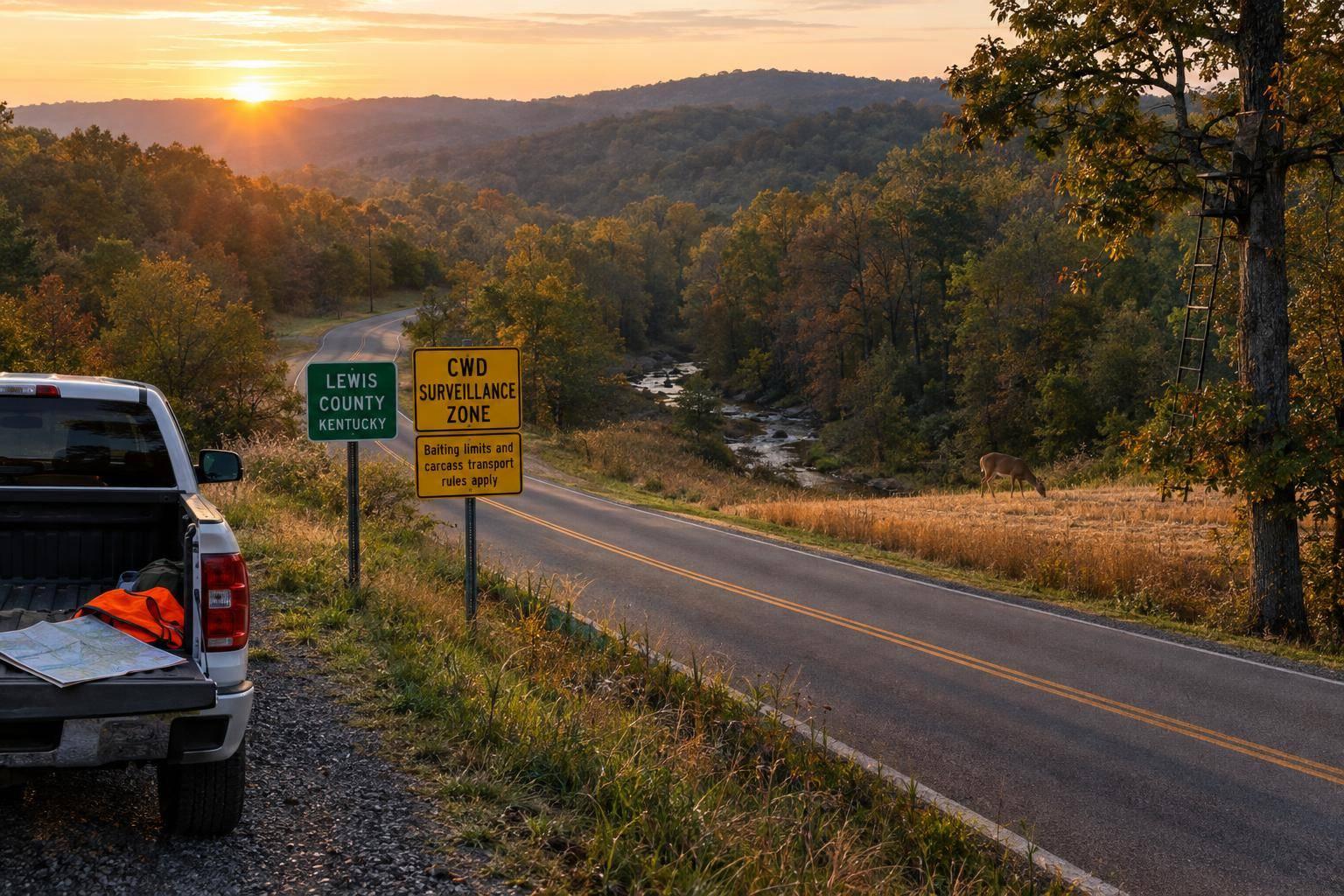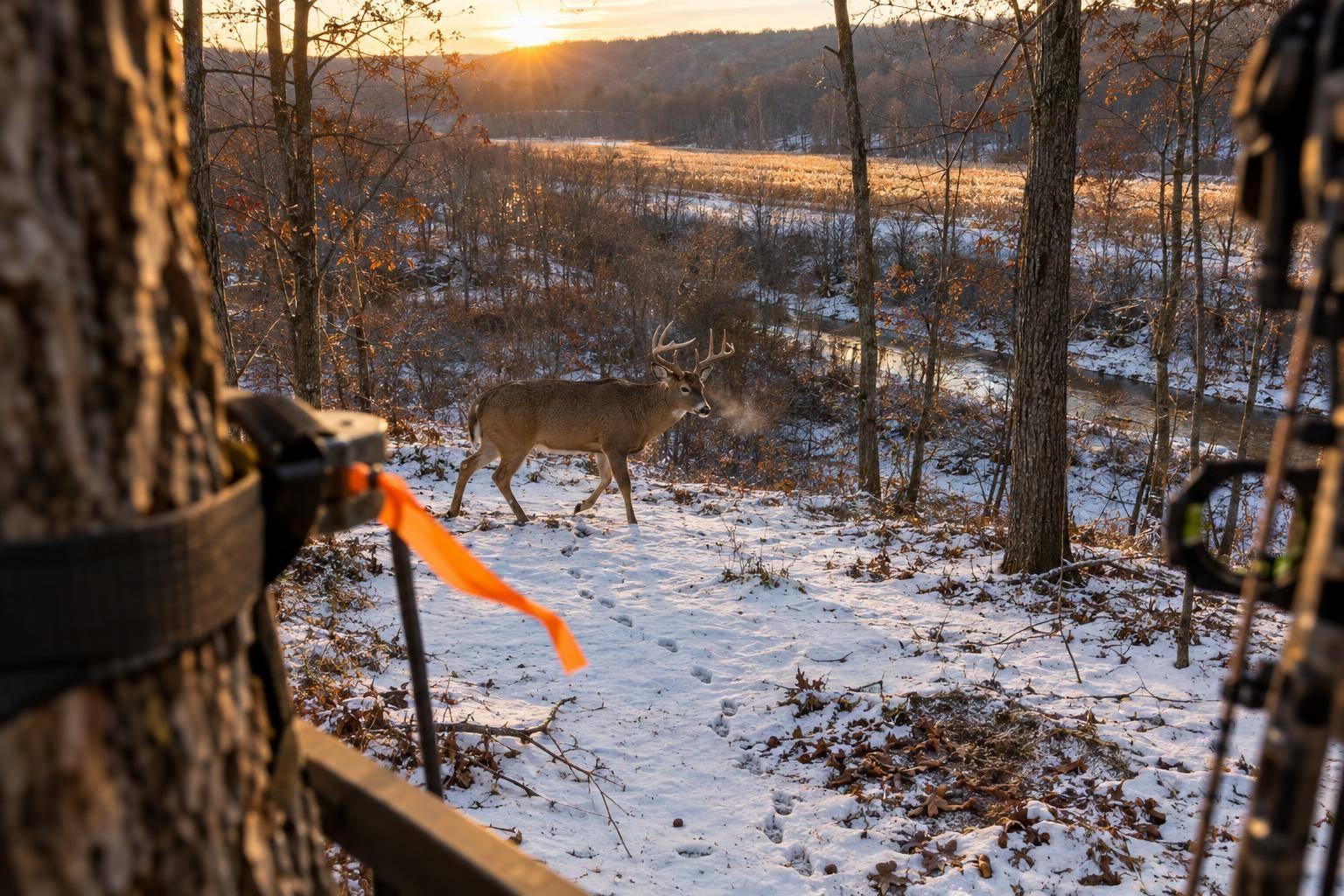
If I want to stay on Kentucky deer, I need to stay mobile. Deer shift with food, pressure, wind, and the rut, so the best portable setup is the one that fits my tree, my walk-in, and how fast I may need to move.
Here’s the short version:
- Hang-on stands fit crooked or limby trees, but they take more gear and more setup time.
- Climbers are easier to move and set on straight trunks, but many Kentucky trees won’t work for them.
- Saddles cut carry weight and work on more tree types, but they take practice before I trust them on a hunt.
- Stand location matters as much as stand type: wind, access, shot lanes, and deer sign all decide whether a tree is worth hunting.
- Safety comes first: I should wear a full-body harness, use a lineman’s belt while setting up, stay tied in from the ground up, and haul my bow or gun with a line.
- Rules and weather can end a plan fast: public-land stand rules, private-land permission, wet bark, ice, and bad wind all change whether I should hunt a spot.
Kentucky’s deer season can shift hard from early-season food patterns to October travel routes to November rut movement. In plain terms: a tree that worked on 9/15/2026 may be dead by 11/10/2026. That’s why portable setups matter.
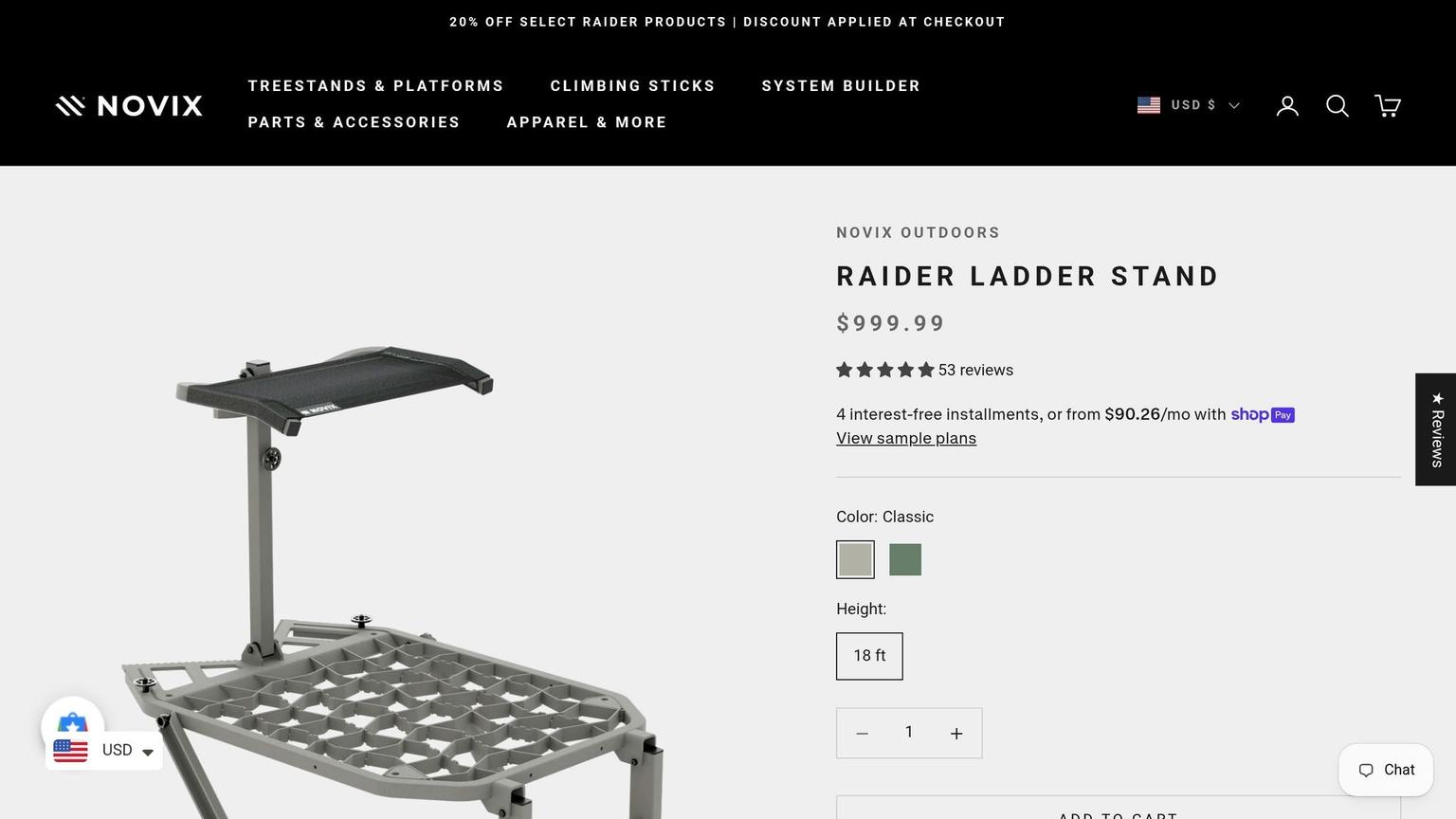
Is the Novix Raider Ladder Stand Worth the Price? Honest Ladder Stand Review – Chasing Giants TV
Quick Comparison
| Setup | Best fit | Main upside | Main drawback | Best for |
|---|---|---|---|---|
| Hang-on | Crooked, limby, odd trees | More tree options | Heavier carry with sticks | Tight cover |
| Climber | Straight, clean trunks | Fast moves and simple setup | Limited tree choice | Open timber |
| Saddle | Most tree types | Lowest carry weight | Bigger learning curve | Long walk-ins |
My takeaway: I should match the stand to the tree, the terrain, and the season – then move when deer movement changes instead of forcing one setup all fall.
Portable Stand Types and What Each Does Best
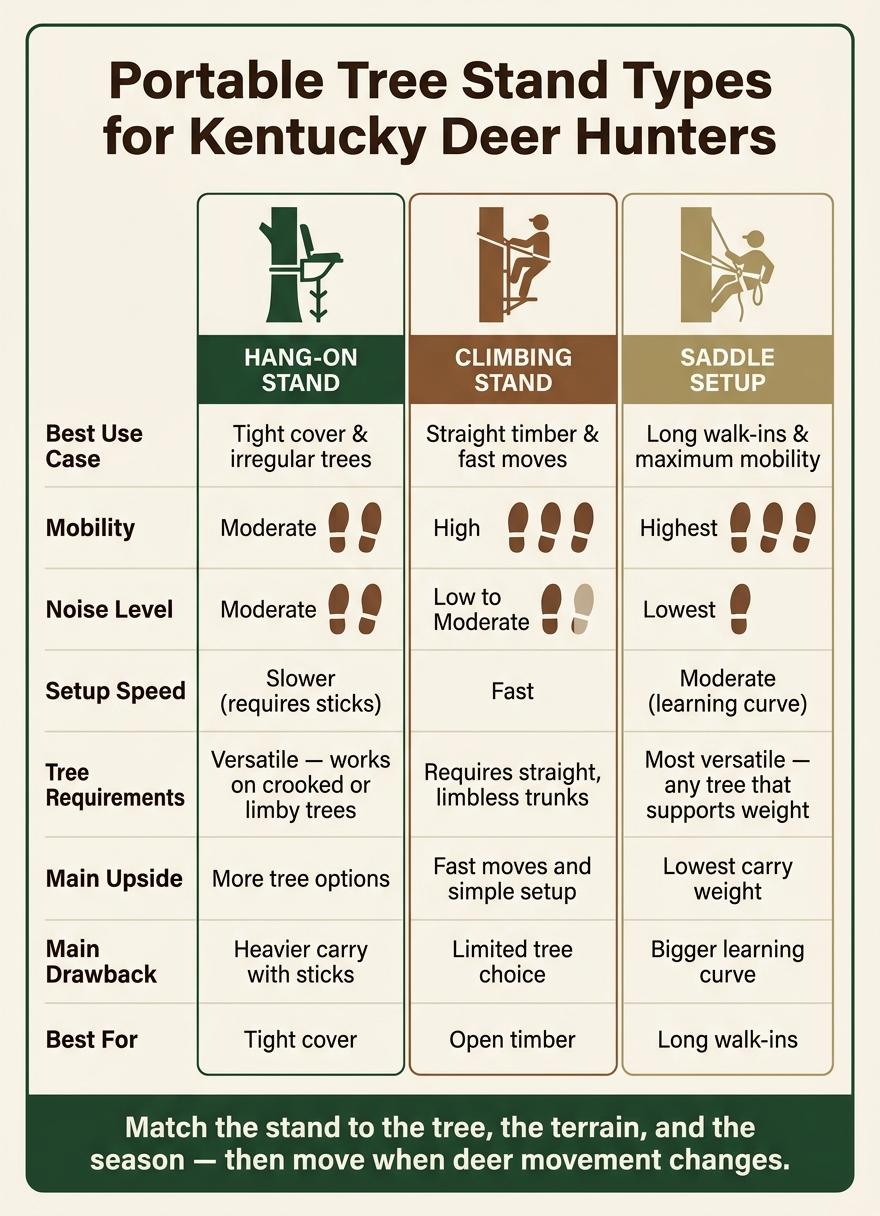
Portable Tree Stand Types for Kentucky Deer Hunters: Side-by-Side Comparison
In Kentucky’s ridges, bottoms, and cutovers, the tree often makes the choice for you. Portable stands all ask for a tradeoff between weight, setup time, noise, and the kind of tree you can use.
| Stand Type | Best Use Case | Mobility | Noise Level | Setup Speed | Tree Requirements |
|---|---|---|---|---|---|
| Hang-On Stand | Tight cover & irregular trees | Moderate | Moderate | Slower (requires sticks) | Versatile; works on crooked or limby trees |
| Climbing Stand | Straight timber & fast moves | High | Low to Moderate | Fast | Requires straight, limbless trunks |
| Saddle Setup | Long walk-ins & maximum mobility | Highest | Lowest | Moderate (learning curve) | Most versatile; any tree that supports weight |
Hang-On Stands: Placement Options in Tight Cover
Hang-ons work well in Kentucky timber that doesn’t play nice. If the best tree near a shot lane is crooked, limby, or just plain awkward, a hang-on usually gives you more options. You can set the platform on trunks that would shut out a climber.
The catch is the carry. You’re hauling the platform plus climbing sticks, and that load starts to feel heavy on a long walk-in. Setup also takes more time because every stick has to be strapped on and checked before you climb. On pressured ground, that extra noise and delay can cost you.
Climbing Stands: Fast Moves in Straight Trees
A climber shines when you need to move fast. If the wind shifts overnight or fresh sign pops up in a new spot, you can get in and get set without much fuss. That makes climbers a good fit for hunters who like to adjust on the fly instead of hanging a stand and sticking with it.
Still, tree choice is the sticking point. Climbers need straight trunks with few low limbs. In Kentucky hardwoods, especially on steep slopes and in creek bottoms, that knocks out a lot of trees.
Saddle Setups: A Low-Weight Option for Mobile Hunters
Saddle setups are built for hunters who cover ground. A saddle, lineman’s belt, and sticks usually weigh less than a hang-on, which makes long walk-ins easier on your back. You can also hunt around the tree instead of being locked to one side, and that can give you better shot angles.
There’s a learning curve, though. Shooting from a saddle, dealing with your tether, and staying comfortable during a long sit all take practice. If you’re new to it, spend time in the backyard before you count on it in the woods.
Once you pick a stand, your carry weight and setup method will shape how fast you can get in, get up, and start hunting.
Carry Systems, Setup Steps, and Stand Placement
Packing Stands, Sticks, and Safety Gear for Long Carries
Once you’ve picked a portable stand, the next job is simple: pack it into one tight, balanced load for the walk in and the tree you plan to hunt.
That means keeping the stand, sticks, and safety gear together so the carry feels stable instead of awkward and noisy. On a long walk, little things matter. A loose buckle tapping metal or a shifting stick can turn a calm entry into a clanging mess fast.
Keep the load compact. Keep it quiet. And on the way in, leave as little scent and pressure behind as possible.
Step-by-Step Setup: Tree Selection to Final Stability Check
Start with the tree based on fresh sign, nearby food, and the wind. Then work your way up in a steady, careful order:
- Set each stick one at a time and test for movement before stepping higher.
- Hang the platform, level it, and make sure it is solid before stepping onto it.
- Connect your safety system before you settle in.
- Trim only what the shot requires.
- Check for noise by shifting your weight and simulating a shot.
The goal isn’t just to get up the tree. It’s to get up the tree without surprises. A stand can feel fine at first, then show a squeak or slight shift once you move like you would during a real shot. That’s why the final check matters.
Once the stand is secure, move to wind, access, and shot lanes.
Picking Stand Location Based on Wind, Access, and Shot Lanes
Good stand placement starts with fresh sign, visibility, wind, and the quietest access route. After that, fine-tune the exact tree around wind and entry route.
Pick a tree that keeps your scent out of bedding cover and travel routes. Use the terrain to read how air moves across the property, because wind on a map and wind in the woods aren’t always the same thing. A ridge, ditch, or creek edge can change everything.
Your entry route should avoid bedding areas and keep ground scent to a minimum on the walk in. And when it’s time to cut lanes, trim only what you need. More cutting often means more noise, more disturbance, and more reason for deer to notice that something changed.
Guided deer hunts in Kentucky can shift stands as deer patterns change, keeping setups on fresh sign and out of pressure.
Safety Gear, Kentucky Access Rules, and Weather Limits
Once you’ve picked the tree, three things take over: safety, access, and weather. If any one of them is off, that stand may not be worth hunting.
Fall Protection: Stay Connected from the First Step Off the Ground
Put on a full-body harness before you leave the ground. While hanging the stand, use a lineman’s belt so you can work with both hands free. Then stay clipped to a lifeline from the ground all the way to the stand – and all the way back down. Your bow or firearm should go up and down on a haul line, not in your hands.
| Item | Category | Purpose |
|---|---|---|
| Full-body harness | Essential | Primary fall arrest system |
| Lineman’s belt | Essential | Keeps hands free during stand installation |
| Lifeline/tether | Essential | Continuous connection from ground to stand |
| Haul line | Essential | Moves gear up and down safely |
| Rain gear | Optional | Helps with wet conditions and changing weather |
Good gear won’t help much if your setup breaks access rules.
Public Land, Private Land, and Landowner Permission in Kentucky
On public land, check current Kentucky rules before you hang anything. Look at stand placement, marking rules, and removal deadlines for portable stands.
On private land, get clear permission from the landowner first. Make sure that permission covers where you can place the stand and how long it can stay up. A quick yes isn’t always enough if the details are fuzzy.
When Wind, Rain, Ice, and Heat Should Change the Plan
Wind shouldn’t just help you pick a stand location. It should also help you decide whether to hunt that stand at all. The same goes for rain, ice, and temperature.
If conditions turn wet or unstable, skip the setup. If the wind is wrong, the access gets sloppy, or the weather starts working against you, it’s smarter to wait or move than force it.
Those same conditions should also tell you when a stand needs to stay put and when it’s time to move it.
Using Portable Stands Through the Season
Once the stand is safe and legal, timing decides where it should go.
Stand Adjustments from Early Season Through Late Season
In early season, deer usually stay close to steady food sources. That makes stand placement a big deal. One bad setup can educate a mature buck and spoil the area.
By October, travel routes start to change. New sign matters here, so keep an eye out and be ready to move. In November, cruising bucks can cover a lot of ground in a short time. A stand that was dead-on last week might be off today.
Late season tends to pull deer back toward food again. That’s the time to reset closer to current feeding areas. If a spot has taken a lot of pressure, let it sit for a bit before you slide back in.
Season tells you when to move. Fresh sign tells you where.
How Guides Move Stands When Deer Patterns Shift
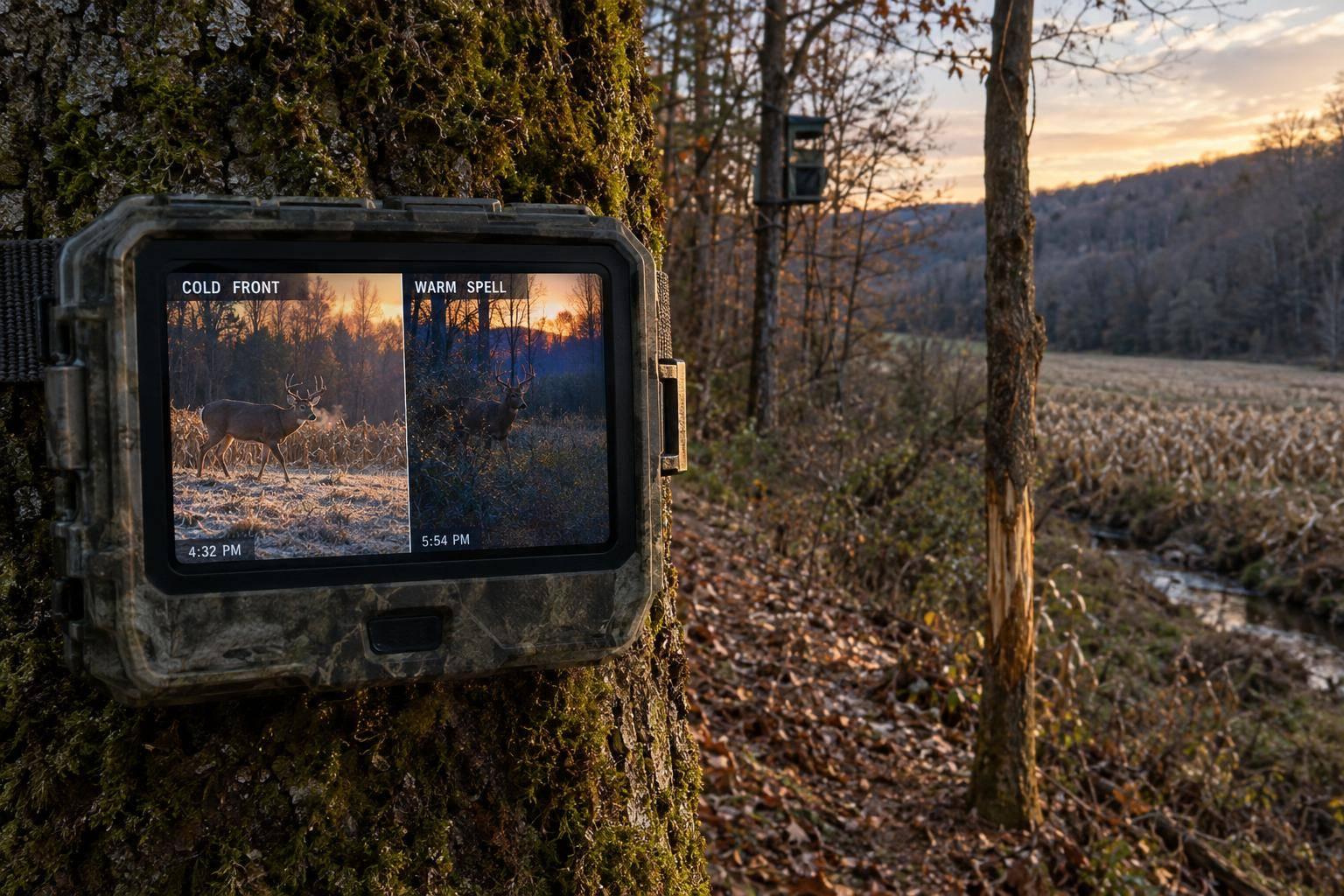
When deer patterns change, guides don’t sit around hoping old sign comes back. If cameras go quiet, tracks thin out, and rubs fade, they move. The better play is to reset on fresh sign instead of waiting on a stale spot to turn on again.
The guides at Whitetail Hunting Kentucky adjust stand locations based on pressure, wind, and breeding activity rather than sticking to a fixed plan.
Conclusion: Match the Stand, Set It Safely, and Stay Mobile
Match the stand to the terrain, set it safely, and move again when sign changes. Portable stands do their best work when hunters move with deer patterns, not against them.
FAQs
Which portable stand is best for beginners?
For beginners, a hang-on stand or a climbing stand is usually the best place to start. Both give you a steady, familiar platform to learn the basics without adding extra complexity.
They also make it easier to practice the core skills that matter most early on:
- picking the right tree
- climbing safely
- using your tether the right way
That way, new hunters can build good habits before moving on to more specialized setups.
How high should I set a portable stand?
Set your portable stand high enough to keep your shots inside the area you plan to hunt and lower the odds of sending an arrow or bullet onto neighboring property.
Before the season starts, check your exact spot with GPS mapping and walk the boundary or fence lines. That gives you a clear sense of where you are, helps you pick a safe stand height and setup, and keeps you from crossing land access rules by mistake.
When should I move my stand in Kentucky?
Move your stand based on deer activity, but protect your access. Before each season, make sure the landowner is okay with your stand spot. Stay well away from property lines, and check your exact location before you hunt.
Talk with the landowner well before the season starts about your hunting dates and the weapon you’ll use. Carry written proof of permission, and follow every boundary and access rule they set.