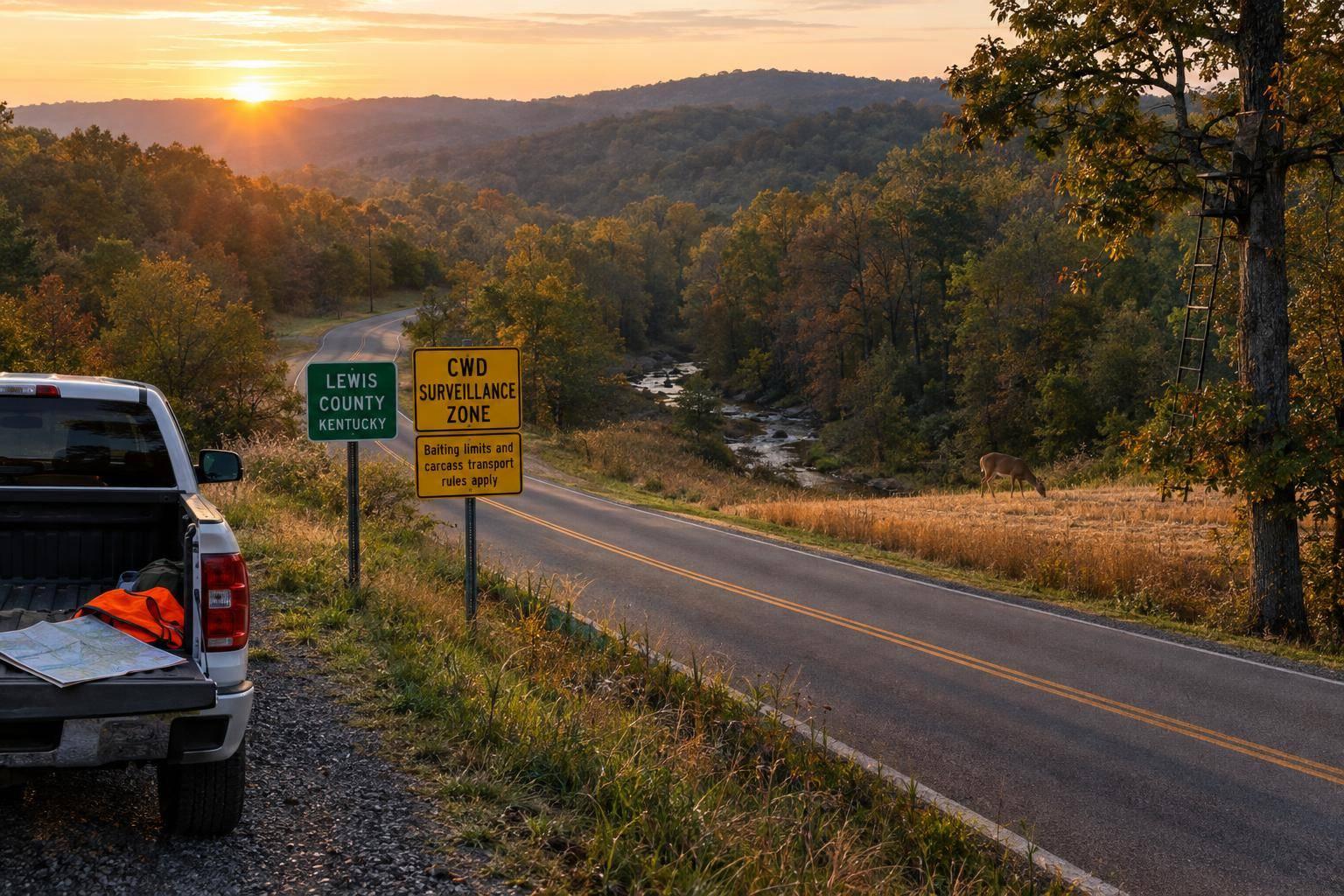
Scouting for Kentucky’s muzzleloader hunting season requires careful timing to avoid disturbing deer while gathering useful insights. Here’s what you need to know:
- Early Season (Mid-October): Start scouting in mid-August through late September. Focus on deer patterns near soybean fields, water sources, and white oak flats. Use trail cameras and long-range glassing to minimize disturbance.
- Late Season (Mid-December): Scout late November to early December, after rifle season ends. Prioritize areas near high-calorie food sources like cut cornfields and winter wheat. Look for fresh tracks and trails leading to feeding zones.
Key Tips:
- Avoid bedding areas close to the opener to prevent pushing deer into nocturnal habits.
- Use mid-day scouting during the season for low-impact observations.
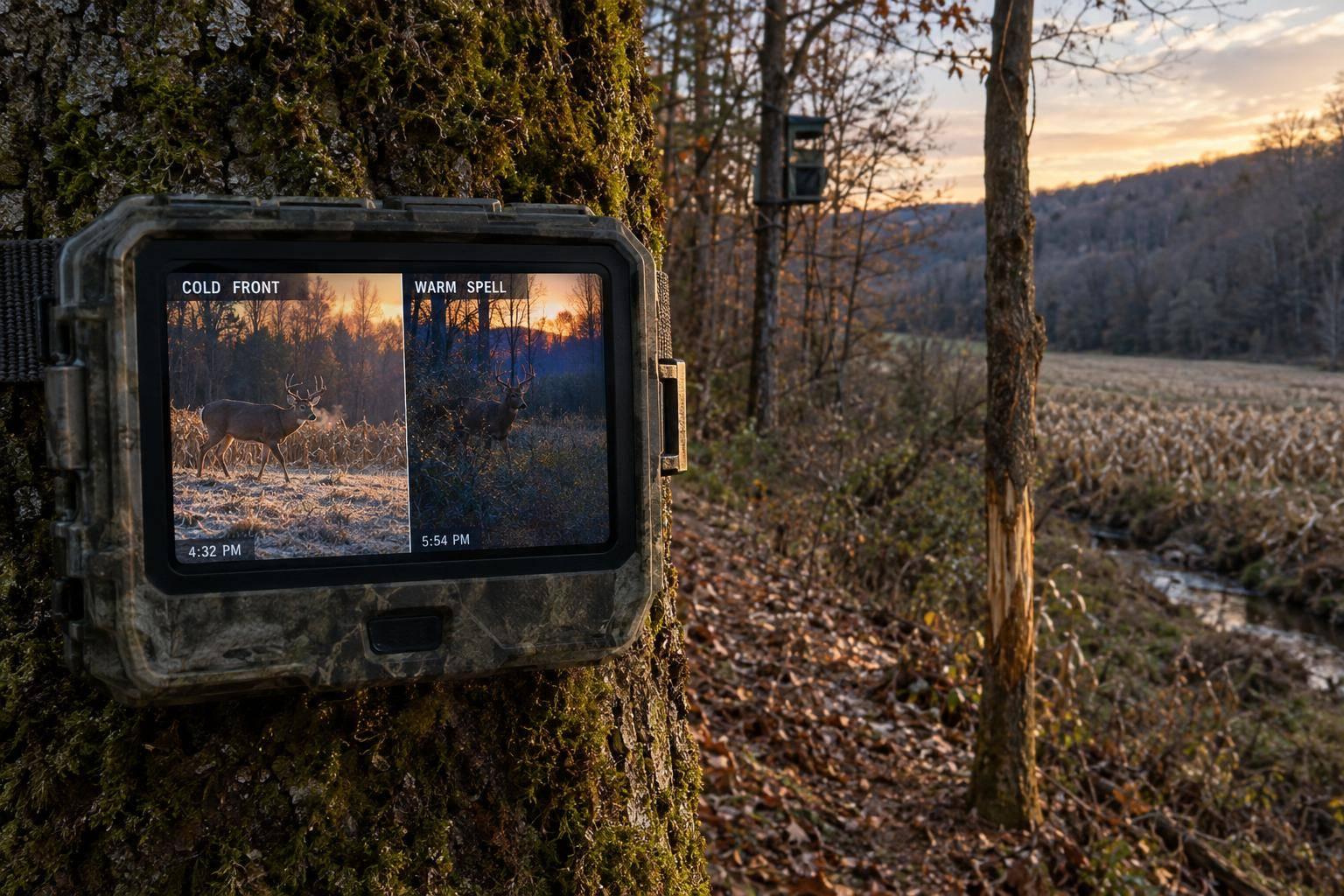
- Trail cameras and weather monitoring (e.g., cold fronts) can enhance your strategy.
Kentucky’s muzzleloader seasons are split into two windows:
- Early Season: 2 days in mid-October.
- Late Season: 9 days in mid-December.
For public land, check KDFWR maps and quota hunt dates. On private land, scouting is typically easier with less pressure. Guided hunts are also an option, with packages starting at $1,950 for early season and $2,450 for late season.
Timing is everything – plan your scouting to match deer behavior for a more successful hunt.
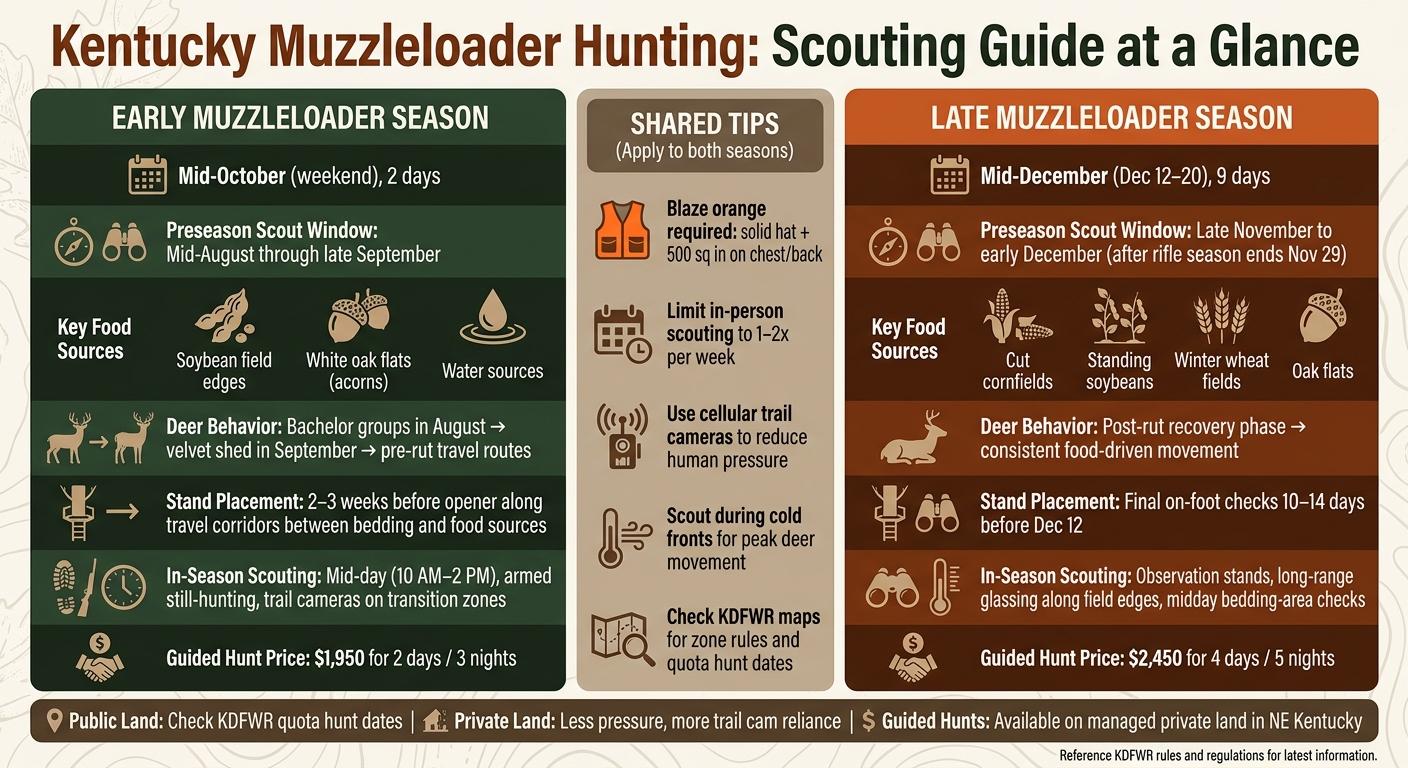
Kentucky Muzzleloader Season Scouting Guide: Early vs. Late Season
Kentucky Muzzleloader Seasons and Regulations
Kentucky’s muzzleloader hunting season is divided into two distinct periods, each offering unique whitetail hunts influenced by deer behavior and seasonal timing.
Early and Late Muzzleloader Season Dates
Kentucky provides two separate muzzleloader hunting windows:
| Season | Typical Timing | Duration |
|---|---|---|
| Early Muzzleloader | Mid-October (weekend) | 2 days |
| Late Muzzleloader | Mid-December | 9 days |
Always confirm the exact dates using the KDFWR "Kentucky Hunting & Fishing Seasons Planner", as the calendar does not automatically update each year.
Key Deer Hunting Regulations in Kentucky
Kentucky enforces specific rules to manage deer populations:
- One antlered deer per season: Hunters are limited to a single buck regardless of the hunting method or season.
- Antlerless deer limits vary by zone: Kentucky’s management zones (1 through 4) dictate the number of antlerless deer you can harvest. Zone 1 has the most lenient limits, while Zone 4 is the strictest.
Blaze orange clothing is required during both muzzleloader seasons. Hunters must wear solid orange on their head, chest, and back, even while inside enclosed blinds. Additionally, ensure your firearm and gear comply with KDFWR regulations before heading out.
How to Plan Around Zone-Specific Rules
Start by identifying your hunting zone using KDFWR’s online maps. This will help you understand the antlerless deer limits and highlight areas to focus on. If you plan to hunt on public land, particularly Wildlife Management Areas, check for Quota Hunt dates. These special hunts may override the general statewide muzzleloader season dates for those properties.
Preseason Scouting for the Early Muzzleloader Season
When to Start Scouting: Late Summer Through Early Fall
The best time to start preseason scouting is mid-August through late September. During this period, deer follow predictable summer routines, moving consistently between their bedding areas and food sources. This reliability makes it the ideal time to observe their behavior before seasonal changes disrupt these patterns.
In late August, focus on soybean field edges and water sources. The warm summer temperatures drive deer to water more often, while soybean fields provide a protein-rich food source that attracts them nightly. Use long-range glassing techniques to monitor deer activity from a distance. This approach keeps your scent out of the area and allows you to gather valuable information about which bucks are frequenting the property.
As the summer transitions to fall, shift your attention to timber areas, particularly white oak flats. Once acorns start dropping, deer quickly abandon field edges in favor of this new food source. Identifying which trees are producing early acorns can give you a significant advantage heading into October.
How Deer Behavior Changes From Velvet to Pre-Rut
Seasonal changes in deer behavior are crucial to effective scouting. In August, bucks tend to travel in bachelor groups. However, as velvet shedding begins in early September, rising testosterone levels cause bucks to split off and exhibit more solitary and unpredictable movement.
With these changes, deer feeding patterns also shift. Adjust your scouting focus from open feeding areas to transitional travel routes. During this time, you’ll start to notice fresh rubs and scrapes, which serve as territorial markers and indicate bucks are expanding their home ranges. Trail cameras are particularly useful during this phase when moved from field edges to these internal transition zones.
When and Where to Hang Stands Before the Opener
These evolving behaviors mean that timing and placement of stands are critical. Use your late summer and early fall observations to guide stand placement, ideally two to three weeks before the season opener. This gives the area time to settle and allows human scent to dissipate, reducing the risk of spooking deer. Hanging a stand just days before opening day is a common mistake that can disrupt deer patterns, especially for mature bucks.
Place stands along travel corridors between bedding areas and primary food sources, such as soybean fields early in the scouting window and oak flats as October nears. Be sure to clear shooting lanes while hanging the stand to minimize the need for additional trips into the area. This preparation ensures you’re ready when the season begins without unnecessary disturbances.
In-Season Scouting During the Early Muzzleloader Season
Low-Impact Mid-Day Scouting Approaches
Once the season begins, every step into the woods carries some risk of spooking deer. To minimize this, shift from active scouting to gathering information in a less disruptive way. The best time for this? Between 10:00 AM and 2:00 PM, when deer are typically bedded in dense cover.
A great way to combine hunting with scouting during this window is armed or still-hunting. Instead of heading out strictly to scout, take your muzzleloader and slowly work through transition zones, keeping an eye out for fresh signs like tracks, rubs, or scrapes. This approach lets you hunt while gathering critical intel, reducing the number of times you need to enter the area. If you’re hunting during Kentucky’s muzzleloader season, remember to follow state regulations: wear a solid blaze orange hat and at least 500 square inches of blaze orange on your chest, stomach, and back – even if you’re just walking through the woods.
Reading Weather and Food Source Changes
Once you’ve nailed down low-impact scouting, start paying attention to how weather and food availability affect deer movement. A white oak stand that’s a hotspot one day may go quiet once the acorns are gone, with deer moving to harvested cornfields or cut soybean fields instead.
Cold fronts are a hunter’s ally when it comes to timing stand adjustments. A sharp drop in temperature often triggers deer to move during daylight hours, making their patterns easier to track. Keep an eye on weather apps to monitor approaching fronts, and plan your mid-day scouting or stand relocations accordingly. When choosing where to focus, prioritize fresh rubs and scrapes over older signs – they’re better indicators of current activity.
How Often to Scout Without Over-Pressuring Deer
To avoid over-pressuring deer, limit your in-person scouting to once or twice a week. Instead, rely on tools like long-range glassing or trail cameras to gather information without leaving your scent behind. Cellular trail cameras are especially useful since they allow you to monitor deer activity daily without stepping foot in the area. Repeated visits can leave enough scent to alert mature bucks, causing them to avoid the area altogether.
Preseason Scouting for the Late Muzzleloader Season
Best Time to Scout: Late November to Early December
If you’re gearing up for Kentucky’s late muzzleloader season, the ideal time to scout is right after rifle season wraps up. In 2026, rifle season ends on November 29, and the late muzzleloader season runs from December 12–20. That gives you about two weeks to fine-tune your understanding of deer patterns before opening day. By this point, deer will have had a chance to calm down after the intense pressure of rifle season, and their movements will begin to reflect their winter routines.
How Post-Rut Deer Behavior Affects Scouting
Once the rut ends, bucks stop chasing and shift their focus to recovery. Both bucks and does enter a survival phase, prioritizing high-calorie food sources to rebuild fat reserves for the winter. During this time, cut cornfields, standing soybeans, and winter wheat fields become prime spots for deer activity.
This shift in behavior makes scouting more straightforward. Instead of the erratic movements seen during the rut, deer behavior becomes more consistent and food-driven. Rather than spending time looking for signs like scrapes and rubs, zero in on active feeding areas and the travel routes connecting them to thick bedding cover. Pay special attention to terrain features like fence lines, ditch crossings, and ridge saddles that funnel deer movement between bedding and feeding areas. These are often the best places to focus your efforts when analyzing topographic maps or satellite imagery.
Confirming Deer Patterns Before the Late Season Opens
To keep your scouting information accurate, plan your final on-foot checks 10–14 days before December 12. This timing ensures your observations are still relevant while giving any scent you leave behind enough time to dissipate before the season begins.
When you’re in the field, look for active trails with fresh tracks leading toward feeding areas. Be sure to note whether these tracks indicate daytime movement. Deer that stay active during daylight hours, especially in the late afternoon, are far easier to hunt than those sticking to nocturnal routines. If you’re hunting on private land, Kentucky law allows baiting to help monitor herd size and movement patterns. This can be a valuable tool for assessing what kind of activity you can expect as the season approaches.
In-Season Scouting During the Late Muzzleloader Season
Using Observation Stands and Long-Range Glassing
Once the mid-December opener arrives, it’s time to scout smartly from a distance. Observation stands or long-range glassing are your best tools here. Position yourself along field edges in the afternoon to watch how deer move from bedding areas to food sources. This strategy lets you pinpoint entry points without disturbing the area, keeping pressure to a minimum. Later in the day, you can fine-tune your approach with on-foot checks. If you need local expertise, you can contact a Kentucky hunting guide for personalized scouting advice.
Pay close attention to transition zones – the dense cover between bedding areas and open feeding fields. Late in the season, these zones often become hotspots as food becomes scarcer. Deer tend to linger in these areas, especially if they’ve been pressured, rather than heading straight to feeding locations. Using quality optics allows you to track their movement patterns without getting too close.
Monitoring Bedding and Staging Areas
When it comes to on-foot scouting, midday is your best bet. During this time, deer are typically bedded down and away from food sources, reducing the risk of spooking them. Focus your efforts on the edges of food plots, looking for fresh tracks and signs of activity. Be careful not to venture too far into the core areas to avoid alarming the deer.
"I’ll walk the fringes to confirm deer use, noting high activity areas and approach directions." – Ryan Rothstein, Whitetales
Your access routes are critical. Always plan them to keep your scent away from key feeding and bedding zones. One wrong move can send deer into more secluded, nocturnal routines. If you’re using trail cameras, make a habit of swapping SD cards during midday. This reduces unnecessary trips into the area and keeps human presence to a minimum.
Adjusting Scouting Plans for Weather and Hunting Pressure
Late-season scouting requires flexibility, especially as winter weather and hunting pressure evolve. December’s unpredictable weather can trigger quick changes in deer behavior. With their winter coats fully grown, deer tend to move less in the evenings when temperatures climb above 40°F. When a warm front hits, consider shifting your focus to morning scouting or hunts, taking advantage of the cooler air.
Hunting pressure from earlier firearm seasons can also influence deer patterns. If your trail cameras show limited activity in food plots, don’t assume the deer have disappeared. Instead, they might be feeding on acorn-rich oak flats deeper in the woods. In these cases, adjust your focus to these hidden food sources and consider setting up stands in heavier timber. Cooler temperatures will eventually draw deer back to open feeding areas.
"When acorns are abundant, it’s amazing how long deer will mill around in timber before making a move to food plots or ag fields. When a quality food source like that is sitting around in cover, deer are going to take full advantage for as long as they can." – Ryan Rothstein, Whitetales
Scouting on Public Land, Private Land, and Guided Hunts
Public Land vs. Private Land Scouting
The type of land you hunt on significantly influences your scouting approach – especially during muzzleloader seasons. On public land, heavy hunter activity can quickly shift deer patterns, requiring more frequent adjustments. For those hunting public areas, resources like the KDFWR "Public Lands Hunting" maps are invaluable for staying updated on area-specific details.
In contrast, private land offers a quieter environment with less hunting pressure. This allows for more deliberate and patient scouting. Hunters can rely heavily on trail cameras and accumulate long-term data on deer movement with fewer trips into the field. As a seasoned guide put it:
"Good whitetail hunting in Kentucky comes down to timing, pressure, wind, and knowing which stands should be hunted and which ones should be left alone." – Whitetail Hunting Kentucky
These differences highlight how scouting strategies vary based on land type, laying the groundwork for a more tailored hunting experience.
How Guided Hunts Handle Scouting for You
If extensive scouting doesn’t fit your schedule or preferences, guided hunts offer a hassle-free alternative. Whitetail Hunting Kentucky, for example, operates on managed private land in Northeastern Kentucky. Their experienced guides handle all the groundwork, using local expertise to identify key stand locations, deer signs, and movement paths. Their method emphasizes precision – tracking buck movements throughout the season and waiting for the perfect alignment of wind, temperature, and food sources before taking action.
For muzzleloader hunters, guides focus on critical travel routes and early-season buck activity between bedding and feeding areas. With on-site lodges, hunters stay close to the action while guides monitor trail camera data and make adjustments without disturbing the area unnecessarily. One guide explained, "We would rather make a careful move than burn out a good setup. That is where local scouting and restraint pay off".
Guided hunt packages include lodging, meals, transportation, and game handling. Prices start at $1,950 for 2 days/3 nights during the early season and $2,450 for 4 days/5 nights in the late season.
Whether you’re scouting on public or private land or opting for a guided hunt, each approach plays a role in crafting a winning strategy for Kentucky muzzleloader hunting.
Conclusion: Scouting Windows That Lead to Better Results
Getting the timing right for your scouting can make all the difference between a successful muzzleloader hunt and a frustrating outing. For the early season, the best period is late summer through early fall, when deer movement patterns are still predictable and haven’t been disrupted by hunting pressure. In the late season, late November to early December offers a prime opportunity to find post-rut bucks as they shift their focus to food sources to recover.
During the season, it’s essential to keep your impact minimal. Mid-day scouting trips, long-range glassing, and making adjustments based on weather – especially around cold fronts – can help you stay informed without disrupting deer behavior. The key is to gather insights while keeping deer on their natural routines.
If you’d prefer to leave the scouting to the experts, Whitetail Hunting Kentucky offers year-round scouting and guided hunts on managed private land in Northeastern Kentucky. Michael and Ryan Small, the founders, monitor buck movement and adjust stand placements based on wind, temperature, and food availability. Their Early Muzzleloader package starts at $1,950 for 2 days/3 nights, while the Late Muzzleloader package is priced at $2,450 for 4 days/5 nights. Both packages include lodging, meals, transportation, and game handling.
Whether you’re scouting on your own or relying on a guide, the strategy remains the same: time your scouting right, reduce pressure, and let the deer show you where to hunt.
FAQs
How can I scout without making deer nocturnal?
To keep deer from becoming nocturnal, try scouting on windy or rainy days. These weather conditions can help cover your movements, reduce noise, and wash away your scent, making it less likely for deer to detect you. Be mindful to steer clear of critical areas, such as bedding zones or a buck’s core range. Move slowly and cautiously during periods when deer are less active. This approach helps limit disturbances and ensures their natural behavior remains unchanged.
What should I look for when acorns run out?
When acorns run out, deer naturally turn to other food options like browse, crops, or mast from different tree species. To find where deer are active during this period, pay close attention to trails, bedding areas, and secondary food sources like water or secluded feeding spots. These locations can give you valuable clues about where deer are feeding and moving as they adjust their habits.
How do Kentucky deer zones change my muzzleloader plan?
Kentucky’s deer zones play a key role in shaping your muzzleloader hunting strategy by defining harvest limits and season rules for each area. For instance, Zone 1 permits hunters to take an unlimited number of antlerless deer, offering more flexibility. On the other hand, Zones 2, 3, and 4 enforce tighter restrictions, with lower antlerless harvest limits. Additionally, each zone has specific muzzleloader season dates, making it crucial to know your zone before planning your hunt.